
A major international political forum — where Belarusian cultural organizations, artists, researchers, and journalists sat as equals alongside senior officials from the EU, Poland, and Ukraine. A stage where Belarusian rang out alongside Polish and English, and where the program didn’t skirt the hard questions — it opened with them: what future does Belarusian culture have in a region gripped by political stagnation? A forum where culture held the top spot on the agenda, not the graveyard slot that empties the room. A conference that didn’t end with applause for closing remarks — it ended with a performance, and not a single seat was empty.
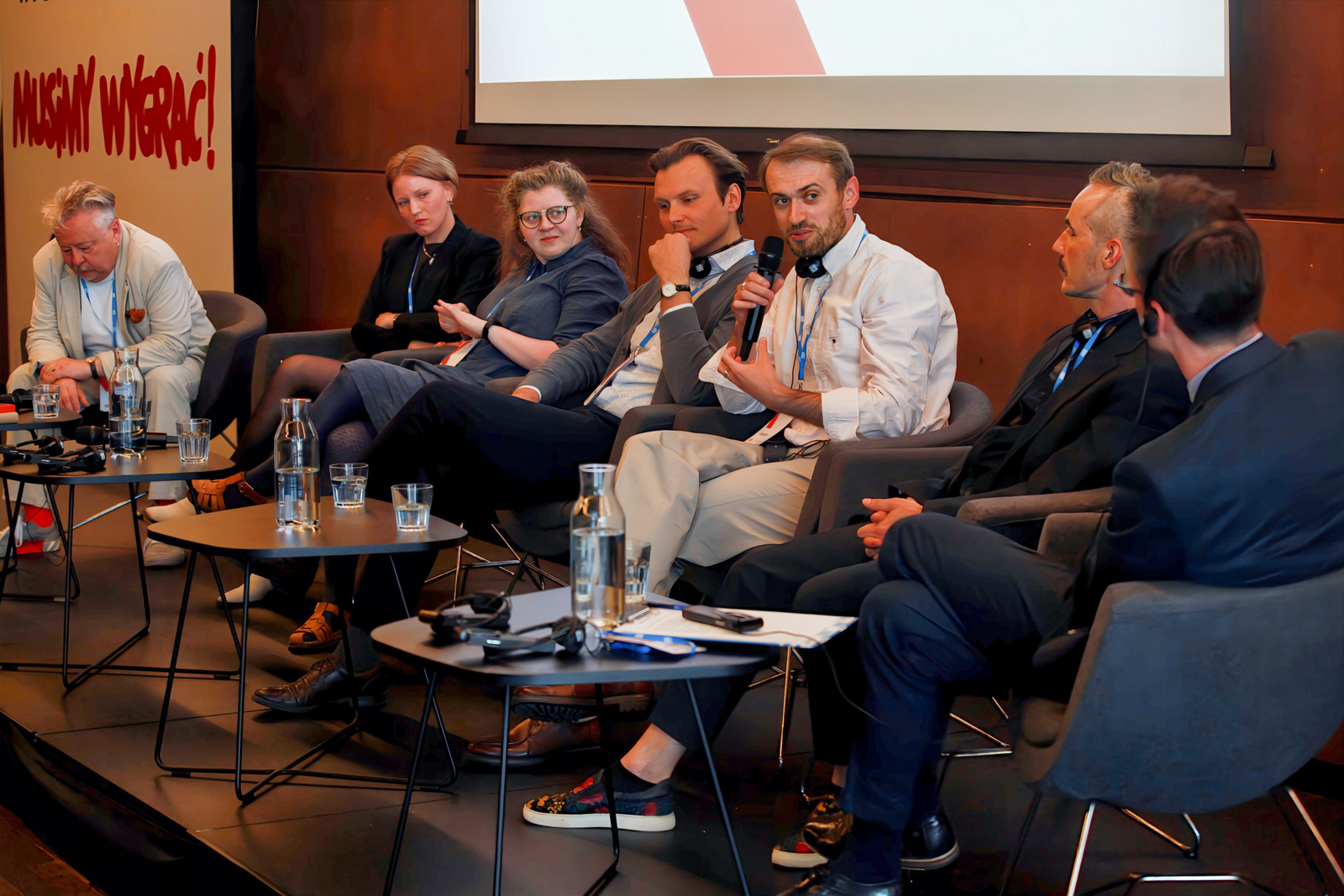
A few years ago, we would have filed this under “dream events.” Today we can cross it off that list: the dream came true — with the Belarusian Council for Culture and the National Revival Department of the United Transitional Cabinet of Belarus playing a part in making it happen, as consultants during the program’s formation. The Kosciuszko Forum in Gdańsk, organized this year by the European Solidarity Centre and the Polish Ministry of Foreign Affairs under the motto “Culture as a Driving Force of Democracy,” became an important step toward recognizing Belarusian culture and its creators as full and equal participants in the political, economic, and cultural life of the region.
What impressed the organizers most
- Belarusian culture drew interest far beyond the Belarusian community
- The forum ran in 4 languages — and still couldn’t keep up with demand
- Attendance blew past every forecast
- 120 guests registered within the first 5 days of the invitation going out
- Participants spent 12 hours straight in conversation — and kept going
The panels and corridors were full of strong speeches and warm words about Belarusian culture and the people behind it. In this afterword, we look past the applause — at what concrete bridges to the future started taking shape at this forum, and what we can now, with good reason, dare to want for Belarusian culture. This year’s Kosciuszko Forum stands a real chance of reshaping how the EU approaches sectoral funding, and of meaningfully improving the situation of Belarusian artists in Poland and across Europe.
For Belarusian cultural actors (organizations and artists)
The forum sent a clear signal: the Belarusian cultural infrastructure that emerged after 2020 is being recognized as independent, real, and here to stay. Dialogue with Belarusians is not only possible — it is worth investing in. Culture, now a distinct EU support priority, will remain a key force in shaping new civic communities. The Belarusian Days planned in Brussels for early December — with a strong cultural strand — point in that direction, as does a growing understanding of ArtPower Belarus not merely as a funding mechanism, but as a catalyst for building an entire cultural ecosystem.
And Belarusian artists themselves are increasingly seen as a resource, not as victims. At the forum, they spoke not only about international achievements but about real pressures, fears, and uncertainties — and were heard. Their voices are seen as capable of genuinely enriching the broader European creative landscape, including in Poland and Lithuania. Interest in Belarusian creative work is no longer occasional or driven by personal connections — it is becoming structural. The mapping of Belarusian culture in Poland, published by the Mieroszewski Centre for Dialogue, is one sign of that shift.
Colombe de Mercey, Head of the Belarus Sector at the European Commission’s Directorate-General for Neighbourhood and Enlargement Negotiations:
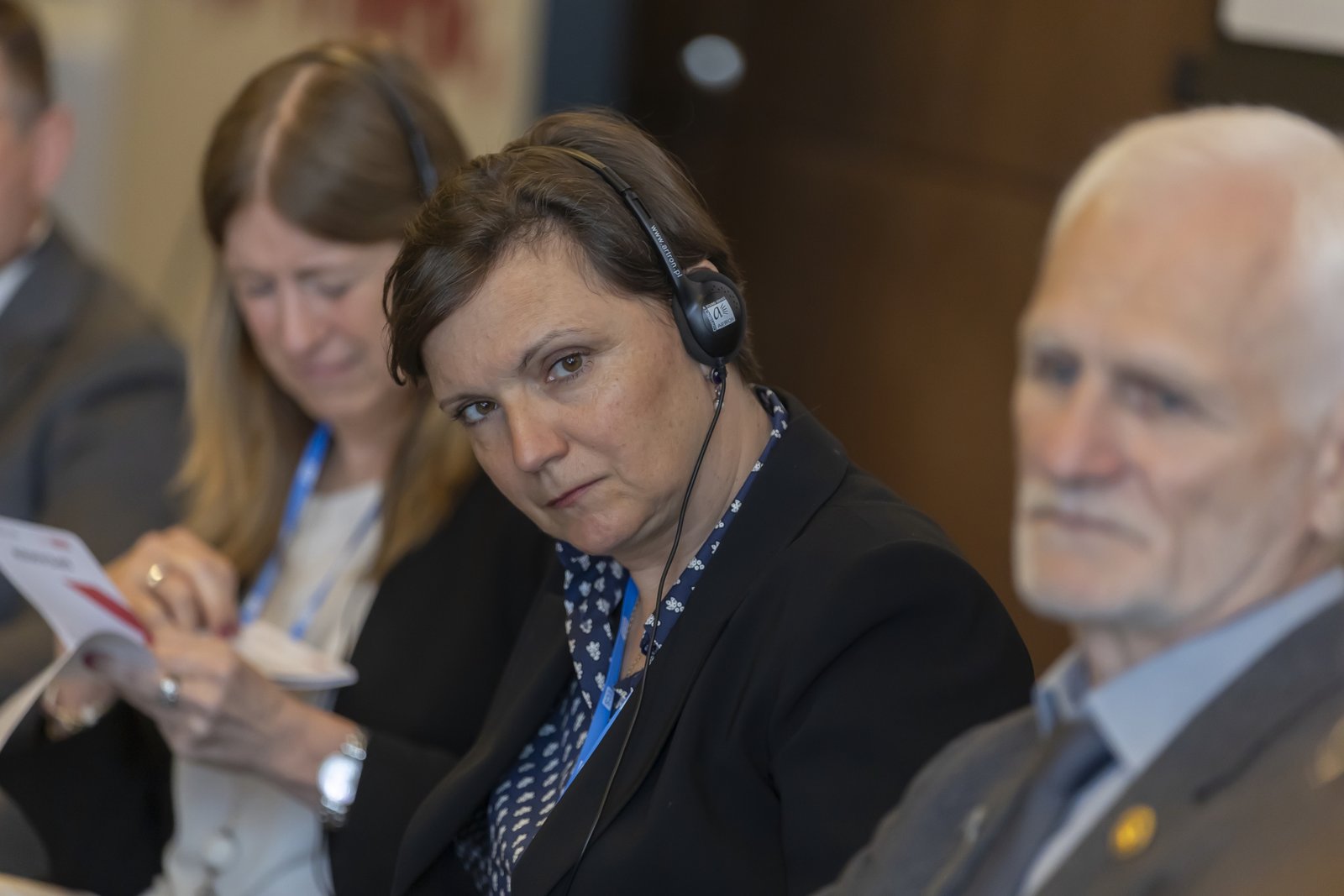
“Through culture, Belarusian civil society is preserved, strengthened, and continuously renewed. Cultural initiatives create spaces for dialogue, trust, solidarity, and civic participation, helping to maintain the foundations of a democratic and resilient society. Many prominent representatives of Belarusian culture are achieving significant success at the international level. They enrich Europe’s cultural landscape, build new partnerships, and bring Belarusian stories to new audiences. I am pleased to see many of them here today. Their work not only strengthens connections with international audiences, but continues to reach people inside Belarus. Maintaining these cultural exchanges is of vital importance. Such initiatives provide significant international visibility for Belarusian culture, as demonstrated by projects supported by the ArtPower Belarus program, including the Belarusian Pavilion at the Venice Biennale — Official. Unofficial. Belarus — and the film dedicated to Ales Bialiatski, Unbroken.”
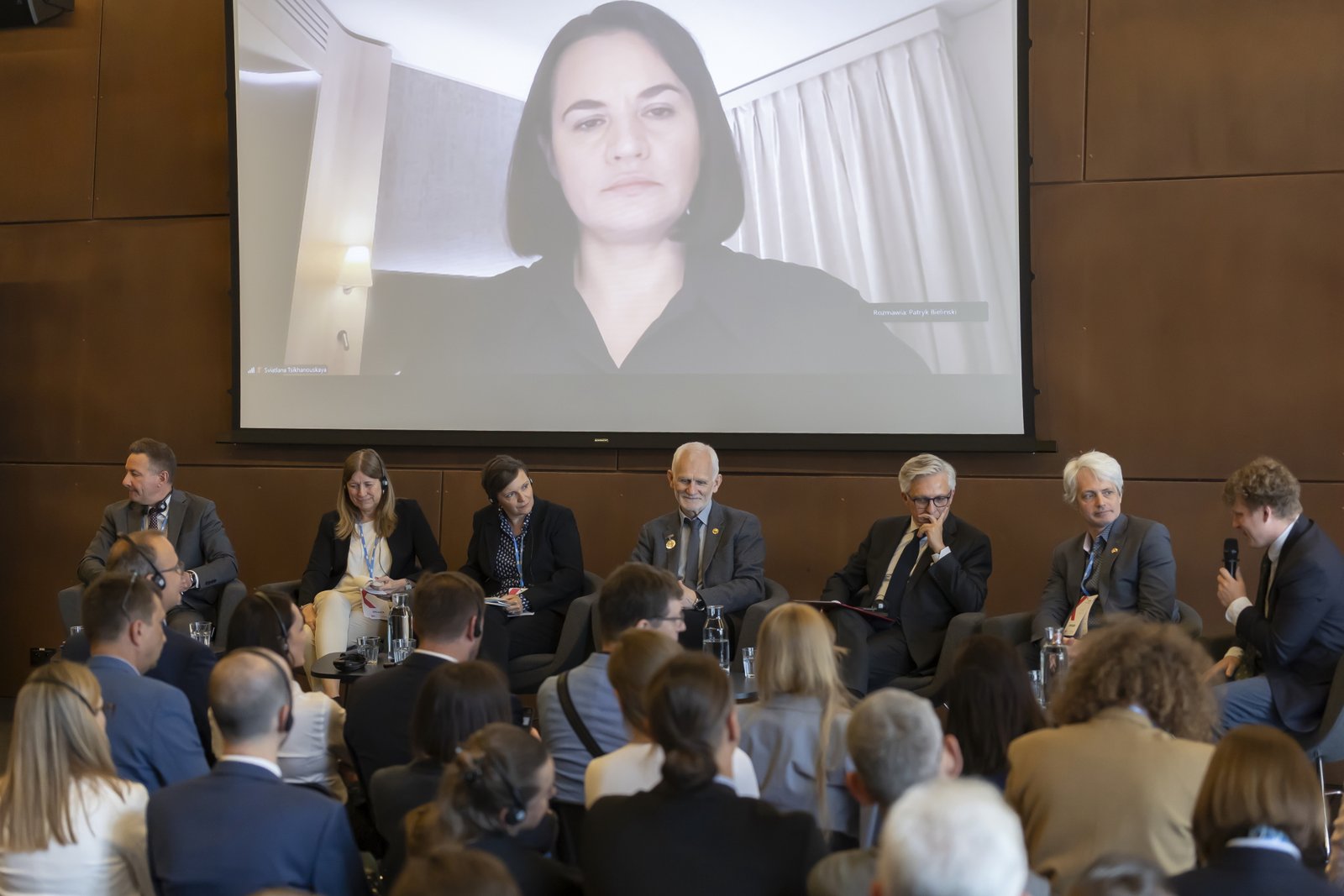
Sviatlana Tsikhanouskaya, National Leader of Belarus, Head of the United Transitional Cabinet of Belarus:
“Why does supporting Belarusian culture, cultural ties, and national identity matter so much right now?
First, culture serves as a bridge between Belarusians on both sides of the border. When hundreds of thousands find themselves in exile, language, literature, music, theater, and shared memory keep us connected to one another.
Second, national identity is the most important instrument of resistance against the ‘Russian world.’ It is no coincidence that Russia is conducting a violent Russification both in Belarus and in the occupied territories of Ukraine.
Third, culture is also an element of security. A strong national identity makes society more resistant to propaganda and attempts at external control.
And finally, culture is what connects us with Europe. Belarus has historically been part of the European cultural space and of the shared European heritage. By supporting culture, we strengthen the European identity of Belarusian society.
I believe the European Union has arrived at a clear understanding that culture is a central element of security. Thank you to Sweden, the Netherlands, Ireland, Germany, and to the countries of Northern Europe and the Baltic, who support cultural projects and initiatives.”
For European cultural actors (organizations and artists)
Belarusian cultural organizations and artists are already fully-fledged partners for their European colleagues, and a source of new experience, knowledge, and companionship in seeking answers to the difficult questions of our time. Among these, one of the most important today: “Why is culture a cornerstone of democracy and social resilience?”
Limited resources and funding opportunities, intense competition, the experience of cultural migration, and the need to integrate into new communities (or conversely, to integrate new community members into existing cultural and social circles) — this is a reality not only for Belarusians, but for European actors as well. For them too, culture is a sphere of life that most often falls victim to shifts in political and economic circumstances, and is perceived by the powerful of this world as something superfluous.
The task of placing culture at the center of discussions on national security — a Belarusian crisis plan for times of turbulence and the absence of state support — turns out to be equally relevant for Europeans. To this we add our rich experience of survival, of preserving our own culture alongside an imperial state, of resisting cultural colonization, and of rebuilding a new independent cultural infrastructure under conditions of near-continuous crisis and repression spanning almost six years.
Henriette Borg Reinholdt, Regional Director for Eastern Partnership Countries at the Danish Cultural Institute:
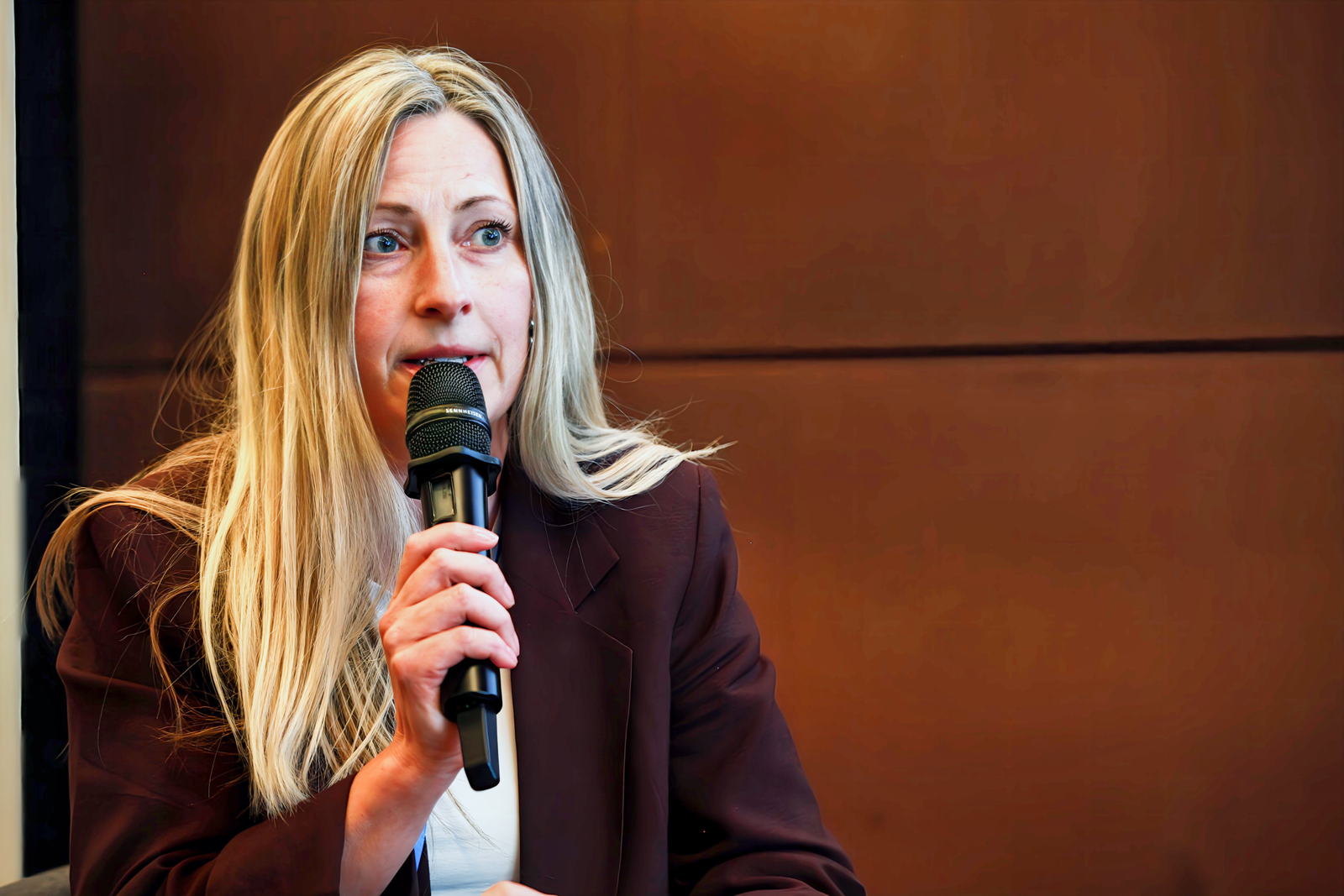
“In Denmark, it is only recently that culture has been understood in the broader sense of its significance for human life and society. For many years, public discourse about culture was limited to the arts. Today a new narrative of cultural comprehensiveness is forming, and I am proud to be part of these discussions, contributing perspectives, examples, and insights from our close cooperation with our ArtPower Belarus program partner, the Belarusian Council for Culture, and with other organizations from Eastern Partnership countries.
For Danes, for example, it is difficult to understand what it means to live in a country where a neighboring state pursues a colonial cultural policy toward you. At the same time, for many long decades no one questioned why Danish university curricula on Eastern Europe focused exclusively on Russian culture and the Russian language, or why bookstores were stocked with entire shelves of translations of Russian classics into Danish. It is only in collaboration with colleagues from Belarus, Ukraine, Moldova, and other countries that we see entirely different perspectives in searching for answers to these complex questions. And with this new experience, we can begin to influence public dialogue about culture in our own country.”
For European donors and political structures
Why do we matter to Europe, and why should the EU support Belarusian culture? This was perhaps the most frequently asked question at the forum. Finding convincing answers to it is a challenge of the highest order. Yet in their speeches, EU officials offered helpful clues on multiple occasions.
The answer is at once simple and demanding: “Europe is incomplete without a democratic Belarus. A European Belarus, represented by democratic forces and civil society, is an integral part of the common European home.” Put plainly — we are a line of defense against a predatory Russian narrative expanding across European space. Keeping Belarusians Belarusian, growing community leaders and agents of democratic change within Belarusian society — these are not just our goals, they are strategic EU interests. And today, culture may be the only sphere where this work can actually be seen, felt, and measured. That includes something rarely said plainly: the Belarusian cultural space is one — for those who left and those who stayed.
Belinda Gottardi, Rapporteur of the Congress of Local and Regional Authorities of the Council of Europe:
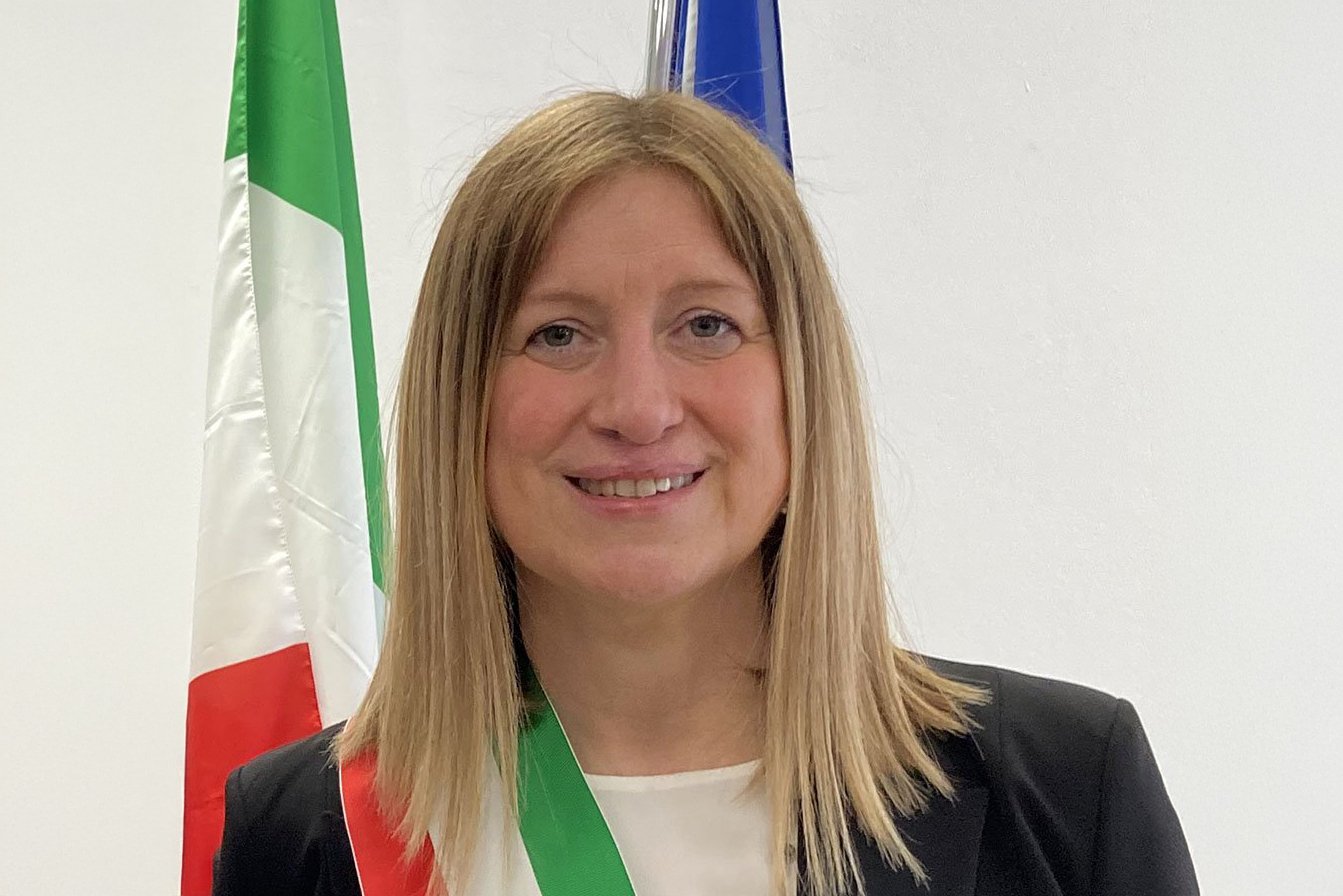
“In a situation of political deadlock, authoritarian regimes attempt to rewrite history, erase identity, and monopolize the narrative. In response, vibrant democratic culture becomes both a shield and a strategy. It preserves historical truth, strengthens community solidarity, and coordinates peaceful resistance. For Belarusians, celebrating their rich cultural heritage, their language, and their European identity is an act of defiance. It is a statement that Belarus belongs to the European family of values. We are currently preparing a report on the role of local and regional authorities in supporting Belarusian democratic forces and Belarusians in exile. This report will offer practical recommendations to help local and regional authorities across Europe adapt the so-called ‘Luxembourg Decisions’ to the local level, in order to address the many challenges faced by Belarusians in exile. Our goal is to strengthen the capacity of European municipalities to protect the Belarusian diaspora from transnational repression, simplify their legal status, and ensure access to local services. In this way, we want to ensure that Belarusians in exile are not merely passive recipients of aid, but active participants in the civic life of the communities that host them.”
For the visibility of Belarus and Belarusian culture in the world
A dedicated segment of the discussion addressed the question of Belarus’s visibility. However, conversations about visibility inevitably lead to more complex questions: what prevents Belarusians from being part of the European cultural space, and what solutions could change the situation. Siarhei Budkin, head of the Belarusian Council for Culture, used his thematic panel to deliberately steer the discussion away from broad theses about the importance of Belarusian culture, and toward the specific challenges facing Belarusian artists, researchers, and cultural managers today.
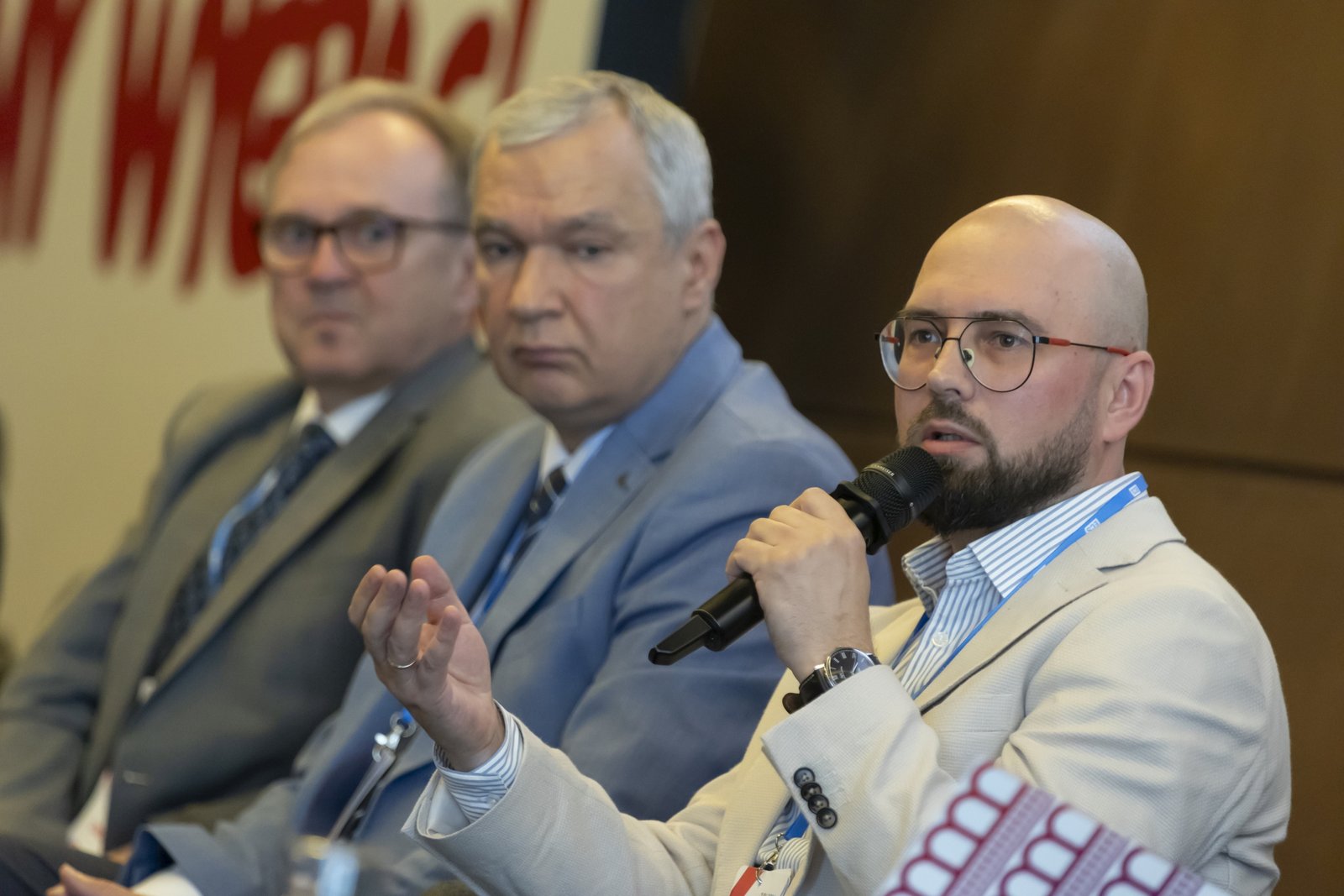
“When we speak about the future of Belarus, we must remember that today the struggle is not only over borders, but over people. During the discussion, I asked the audience whether anyone knew how much a round-trip flight from Minsk to St. Petersburg costs. The answer was — around 50 euros. And this is a very symbolic sum. Because while Europe is closing itself off to many Belarusians through visa and bureaucratic barriers, Russia remains open. We are already losing people who could participate in the European cultural and professional space, but who are instead being drawn ever more deeply into the Russian one. The question of Belarusian mobility is therefore a question of our independence, of European security, and of the future of the entire region — it is not a matter of comfort or tourism.
Belarusians have a stake in an independent Belarus. Ukraine and the EU countries also have a stake in there being an independent Belarus between them, rather than a territory controlled by Russia. That is why we need not only symbolic support for Belarusian culture, but more joint programs, residencies, educational opportunities, professional exchanges, trips, and live encounters. We need quality cultural content that draws audiences away from the imperial center of gravity and helps build an alternative space for cooperation. Because the ‘Russian world’ can be countered not only through sanctions and declarations, but through culture, human connections, and shared experience,” — said the head of the Belarusian Council for Culture.
Conclusions
-
Belarusian culture is a powerful political factor
The Kosciuszko Forum showed that Belarusian culture has become its own language of democratic representation, a way of speaking about Belarus in Europe, and an instrument of influence over the country’s future — and, more broadly, over the future of the entire region. Just as culture always has a place in political dialogue, politicians always have something to reflect on at cultural events. And from this synergy of efforts, beautiful, worthy things can be born.
-
Belarusian cultural actors are recognized as full partners
The forum consolidated an important shift: independent Belarusian organizations, artists, researchers, and cultural initiatives are perceived not as silent recipients of aid, but as independent participants in regional dialogue. Long-term partnerships with them can and should be built.
-
Culture can become the foundation of a new regional solidarity
The Belarusian experience — repression, cultural migration, resistance to imperial narratives, rebuilding independent infrastructure from scratch — holds lessons that go beyond Belarus. Poland, Ukraine, Lithuania, and other European countries wrestling with questions of security, identity, and social resilience have something to learn from it.
-
Supporting Belarusian culture is a strategic investment in a democratic Belarus
Preserving and developing Belarusian culture builds communities, cultivates leaders, and keeps alive the trust and connections between those who stayed and those who left. Right now, culture is the one space where democratic change can still take root.
-
Culture can open a new channel for Belarusian-Ukrainian dialogue
Culture opens doors that politics keeps closed. Joint programs, research, translations, educational and media projects can be more than mutual support — they can become a real instrument for countering Russian imperialism. Working together, Belarusians and Ukrainians can make sense of their shared experience of colonial pressure, defend their cultures, and build something neither can build alone: a common anti-imperial solidarity.
-
Recognition is no longer enough — the time has come for systemic solutions
Gdańsk left one message impossible to ignore: symbolic support has run its course. What Belarusian culture needs now are long-term programs, sustainable funding, research, mappings, international partnerships, and political decisions that give it room not just to survive — but to grow, and to shape the future of the region and of Belarus itself.
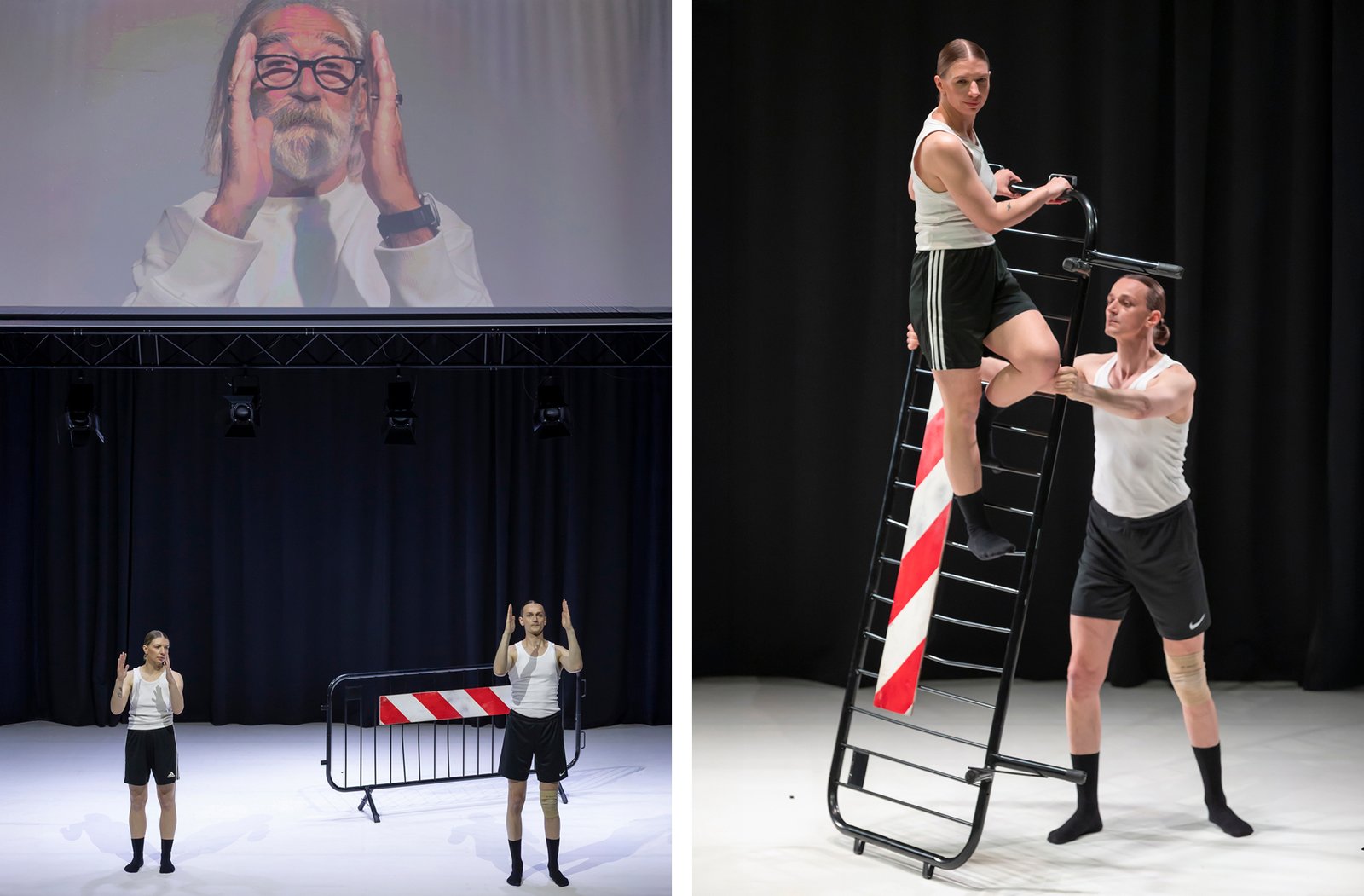
The Kosciuszko Forum in Gdańsk is an international platform for dialogue among representatives of culture, civil society, expert communities, and democratic institutions from Belarus, Poland, Ukraine, Lithuania, and other European countries. This year, organized by the European Solidarity Centre and the Polish Ministry of Foreign Affairs for the second time, it became a space for discussing the role of culture in social transformation, the strengthening of democracy, the preservation of historical memory, and the development of regional solidarity.
Cover on the main page: Grzegorz Mehring / archive of the European Solidarity Centre