
We have gathered the most vivid examples of Belarusian-Ukrainian cultural projects from 2022–2025. This is the first attempt to identify the already existing points of interaction between Belarusian and Ukrainian cultures after a major rupture. The list does not claim to be exhaustive. On the contrary, we will gladly prepare an additional selection of meaningful joint initiatives, hoping that in 2026 there will be even more of them.
If you remember an important project that we have overlooked, please write to media@byculture.org.
A Brief Background
Belarusian-Ukrainian cultural relations traditionally developed in two key directions.
The first was interstate cooperation, which included participation in book fairs, organization of cultural days, as well as official events arranged by embassies and state institutions.
The second was interaction within the sphere of independent culture: participation of Belarusian authors in informal Ukrainian festivals and competitions, the presence of Ukrainian writers and musicians at independent venues in Belarus, as well as the implementation of joint projects without state involvement.
Until 2020, these two models existed in parallel. After the events of 2020 in Belarus, the nature of Belarusian-Ukrainian cultural contacts changed significantly.
The Ukrainian intellectual and cultural community openly expressed solidarity with Belarusian society. A sign of support was Iya Kiva’s book We Will Wake Up Different…, in which the Belarusian experience of transformation and resistance was interpreted for a Ukrainian audience. Artistic solidarity prevailed at the exhibition of Belarusian resistance “Every Day” at the Mystetskyi Arsenal complex in Kyiv. The event, which opened on March 25, 2021, brought together protest works by more than 50 Belarusian and Ukrainian artists.
Ukraine became one of the main countries of relocation for Belarusian cultural figures. This contributed to strengthening horizontal connections, the emergence of new professional and personal contacts, as well as deeper integration of Belarusian authors into the Ukrainian cultural context.
After the beginning of Russia’s full-scale war against Ukraine in 2022, cooperation between Belarusian and Ukrainian cultures at the interstate level ceased. However, in the independent sphere, certain connections not only remained but also acquired new significance.
We recall joint cultural projects that became possible even during the difficult years of 2022–2025
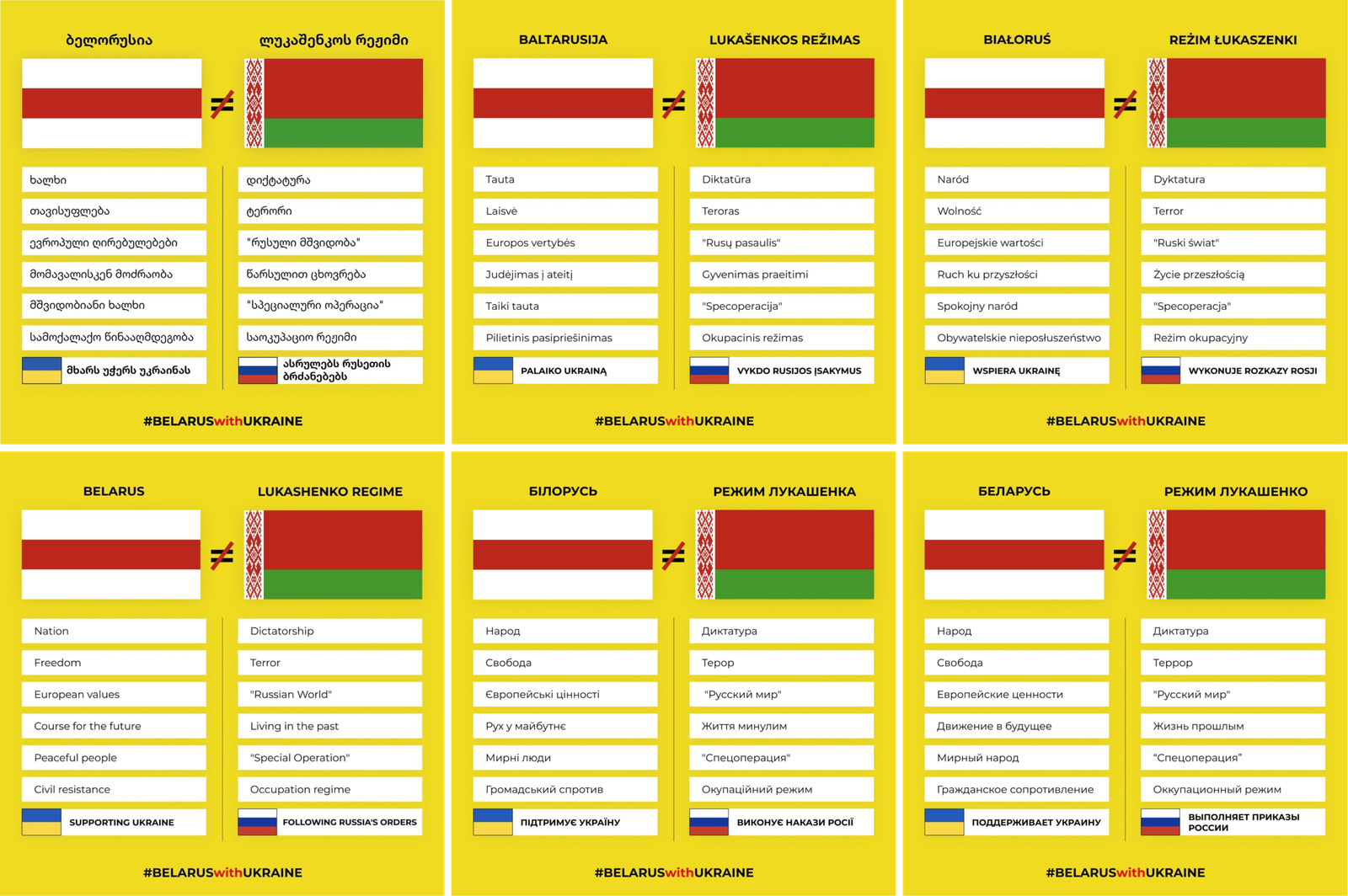
1. Advocacy information campaign #BelaruswithUkraine
Initiated by a number of Belarusian independent organizations and coordinated by the Belarusian Council for Culture in cooperation with media managers from Ukraine. From the beginning of March 2022, following Russia’s brutal invasion of Ukraine, the project team systematically documented the history of assistance, support, and cooperation between Belarusians and Ukrainians under the dramatic conditions of war.
The campaign included the infographic “Belarusians Are Not the Regime,” video clips, special animation, as well as interviews with well-known Belarusians and Ukrainians. Taken together, these materials confirm the scale of Belarusian-Ukrainian solidarity. The total reach of materials prepared within the campaign about Belarusians helping Ukrainians in Ukrainian media and public pages amounted to more than 3.2 million users.
2. The Vyshyvanka / “Vyzhyvanka” designed by Belarusian artist Rufina Bazlova for Volodymyr Zelenskyy
In August 2022, the President of Ukraine, Volodymyr Zelenskyy, appeared in public several times wearing a khaki-colored embroidered shirt with military and symbolic ornamentation. The ornament was not decorative but narrative and political: tanks, ears of wheat, people holding hands. It symbolized war, resistance, and the unity of Ukrainians, while translating the language of modern warfare into the form of traditional embroidery.
Notably, the pattern was created by Rufina Bazlova — a Belarusian artist known for her series The History of Belarusian Vyzhyvanka (embroideries dedicated to the protests of 2020).
3. Pink Floyd feat. Andriy Khlyvnyuk — Hey Hey Rise Up (“Oh, the red viburnum in the meadow…”)
This collaboration became possible thanks to Belarusians co-founders of the Belarus Free Theatre Natalia Koliada and Nikolai Khalezin.
“With all the participants of this unexpected collaboration we had been acquainted since 2015, when the Belarus Free Theatre celebrated its 10th anniversary. At that time, for the music festival Staging a Revolution, we invited a number of artists, including David Gilmour from Pink Floyd and ‘Boombox.’ According to the concept, they performed together,” recalls Nikolai Khalezin.
“And then in 2022, when the war began, Andriy sang ‘Oh, the Red Viburnum in the Meadow…’ on a street in Kyiv. Some time later the singer was wounded, and Natasha sent David a video and photos of him from the hospital. That’s how the idea to record a song was born, but not as a solo performance. For the first time in 28 years, Pink Floyd reunited. Until the very end we thought it would be a Gilmour–Khlyvnyuk collaboration, but he secretly gathered the ‘golden lineup,’ except without Roger Waters.”
4. Poetry photo-album by Ales Plotka Bloodlands 20/22 Belarus/Ukraine
A substantial edition with poems created by Ales Plotka in collaboration with photographers Ales Piletski and Stanislav Krupazh. The authors focus on the “bloodlands” of Belarus and Ukraine, and on their different paths of decolonization. In addition to the author’s original works, the book includes translations of poems by Ukrainian writers: Ivan Semesiuk, Tanya Radzionova, Viacheslav Levytsky, Lesyk Panasiuk, and Angie Siveria. In 2023–2024, the book was widely presented to Belarusians in Warsaw, The Hague, Brussels, Riga, Białystok, Batumi, and Tbilisi.
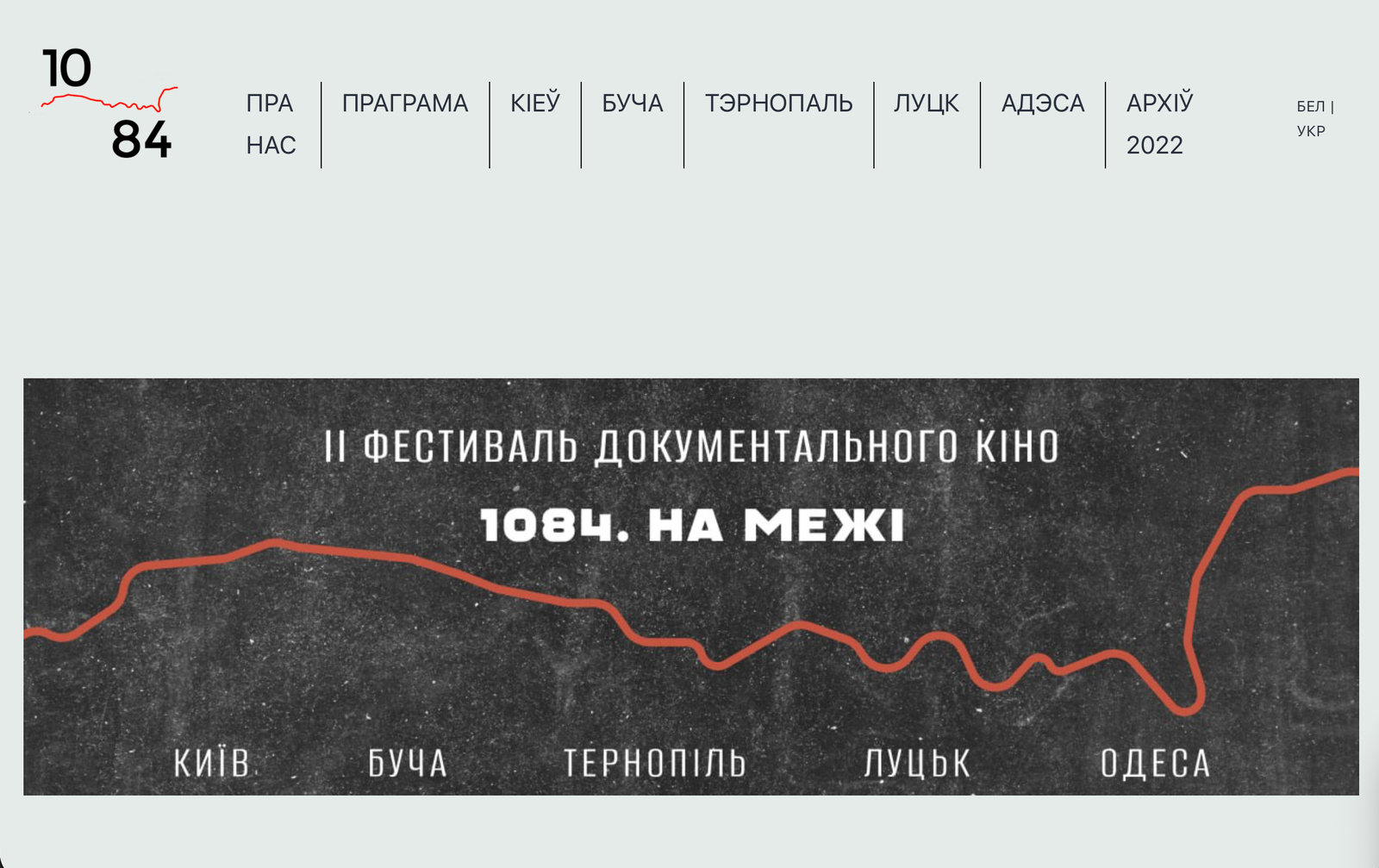
5. Documentary film festival “1084. On the border” (2022 and 2023)
A documentary film festival about Belarus and Ukraine, launched after 2022 in the context of the war and the new reality in the region (organized by “Zvyano/Lanka”). 1084 km is the length of the border between Belarus and Ukraine; this number in the title symbolizes both rupture and connection at the same time. It took place in Ukraine; screenings and events were held in Kyiv, Bucha, Odesa, Ternopil, and Lutsk. Admission to all events was free, but the collected donations were transferred to purchase consumables for VAC wound therapy for Ukrainian military and civilian hospitals.
6. Selection of Ukrainian poetry in Belarusian translation Make Poetry, not War
Published in the online magazine Taubin on the anniversary of the beginning of the full-scale war. A clear manifesto of cultural solidarity with Ukraine. The project brought together translations of contemporary Ukrainian poetry into the Belarusian language, emphasizing that words can be no less powerful than weapons: they are capable of wounding, but also of healing, restoring connections, and supporting in times of crisis. The page contains texts by various Ukrainian authors (including Maksym Kryvtsov, Ostap Slyvynsky, Artur Dron), translated by Belarusian poets, including Andrei Khadanovich. The project was conceived as a response to silence and disunity.
7. Forum of Belarusian cultural resistance in Lutsk (2023)
A discussion program that was initially conceived as an accompanying part of the “1084. On the Border” festival but turned into a large independent event. The Belarusian and Ukrainian sides then received a platform for open dialogue: here they not only watched and discussed films, but also reflected on the shared experience of war, responsibility, trauma, and the future of relations between the two countries. The forum demonstrated that live horizontal communication is possible, that it is important to overcome mistrust and to create a shared space of understanding, in which culture becomes an instrument of dialogue, reflection, and restoration of connections even under conditions of rupture at the interstate level.
8. The opera The Wild Hunt of King Stakh by the Belarus Free Theatre
This project, which gained worldwide recognition and was nominated for the main British theatre award, the Olivier Awards, became an example of living Belarusian-Ukrainian cultural cooperation under conditions of war and exile. Alongside Belarusian actors, Ukrainian opera singers appeared on stage (the leading roles were performed by Ukrainians Andrii Bondarenko and Tamara Kalinkina); the conductor was Vitaly Alekseyenok — a Belarusian who had experience collaborating with the Kharkiv Opera Theatre.
9. Publication of the novel Sweet Darusia by Maria Matios in Belarusian translation (Pflaumbaum, 2023)
A tragic and masterfully written family saga, the events of which take place in the 1930s–70s in Bukovyna (a region on the Ukrainian-Romanian border) against the backdrop of changing authorities and state borders in the dramatic times of war and Soviet repressions. A deeply human story about innocent people who become victims of senseless and absurd actions of representatives of the authorities. The author emphasizes that the “hand of leadership” will reach even the most remote corners of the region and cause irreparable damage. Unfortunately, this warning is highly relevant for today’s Belarus. The initiator of the publication was Nobel Prize laureate Svetlana Alexievich; the translator of the text remains anonymous.
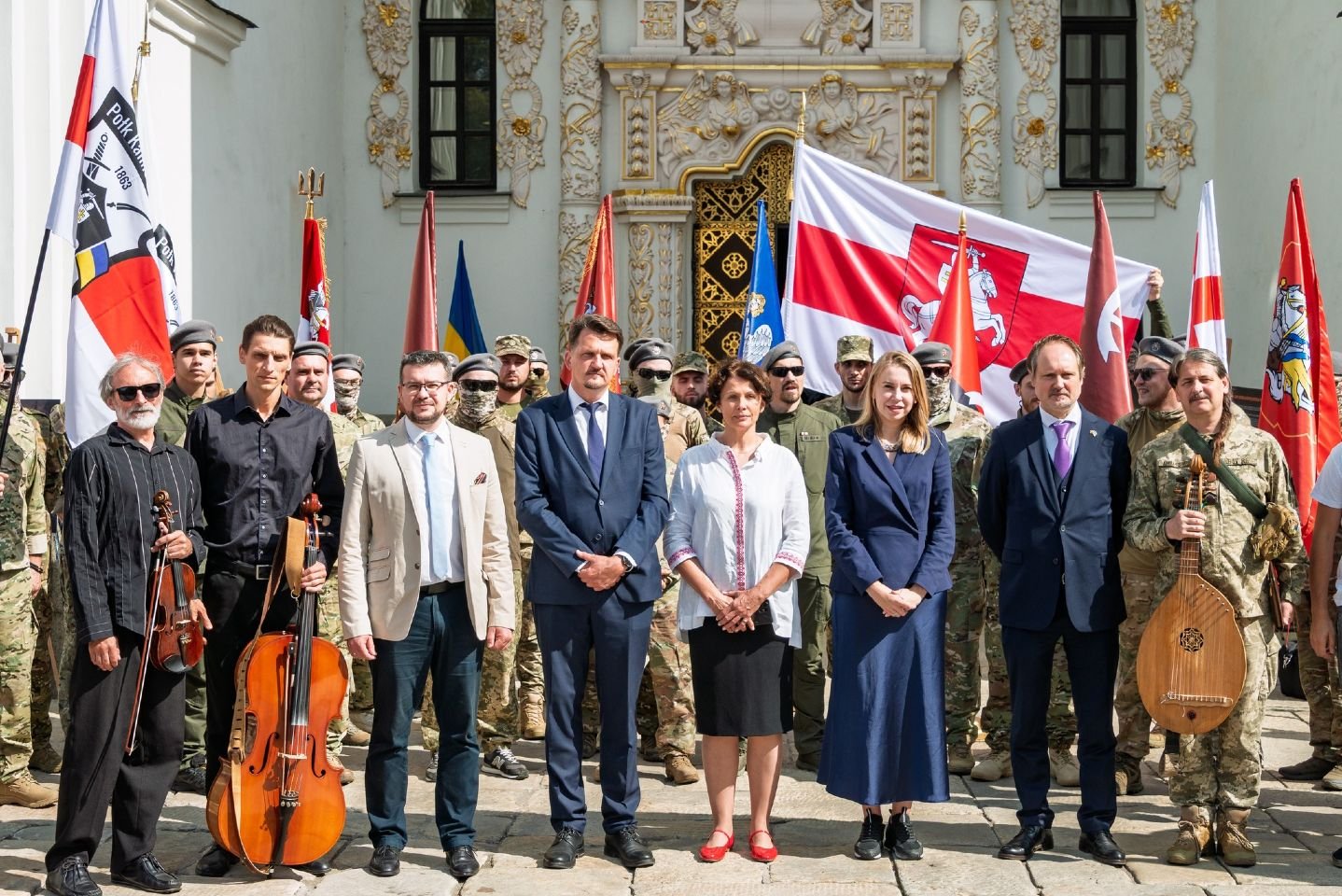
10. Ceremonies honoring the Battle of Orsha and Prince Ostrogski in Kyiv
In 2023–2025, ceremonial events dedicated to the anniversaries of the Battle of Orsha and to honoring Prince Konstanty Ostrogski were consistently held at the Kyiv-Pechersk Lavra. In 2023, for the 509th anniversary, a memorial bas-relief was unveiled; in 2024, on the 510th anniversary, official ceremonies were held with the participation of Metropolitan Epiphanius; and in 2025, for the 511th anniversary, the emphasis was placed on the symbolic and historical dimension of memory — with liturgies, commemorations, and the presentation of restored banners of Ostrogski’s army. These ceremonies testify to the gradual strengthening of the presence of this shared Belarusian-Ukrainian historical event in Ukraine’s cultural and memorial space.
11. Volodymyr Karatkevich Street in Kyiv
A street named after Volodymyr Karatkevich appeared in Kyiv as part of a broader process of decommunization and rethinking of urban toponymy, which intensified especially after the beginning of the full-scale war in 2022. The Kyiv authorities massively renamed streets, getting rid of Soviet and Russian names and at the same time turning to figures associated with Ukrainian and neighboring cultures. The initiative to establish Karatkevich Street in Kyiv belonged to Ukrainian literary scholar and translator Viacheslav Levytsky.
“Honoring this talented writer and principled personality is important both for the dialogue between Ukraine and the democratically oriented Belarusian public, and for actualizing undervalued cultural facts of Kyiv. Karatkevich was a graduate of Kyiv University; he loved the Ukrainian capital and wrote about it more vividly, sensitively, and ethically than most other urban writers. Moreover, we are talking about a street located in the area where the tragic events of Volodymyr Karatkevich’s most Kyiv-centered novella ‘Chestnut Leaves’ unfold. This is a part of Pechersk, which Karatkevich in his mini-poem ‘Conversation with the Kyiv-Pechersk Elephant’ called his favorite district,” these were the arguments, which ultimately convinced the experts, presented by Viacheslav Levytsky.
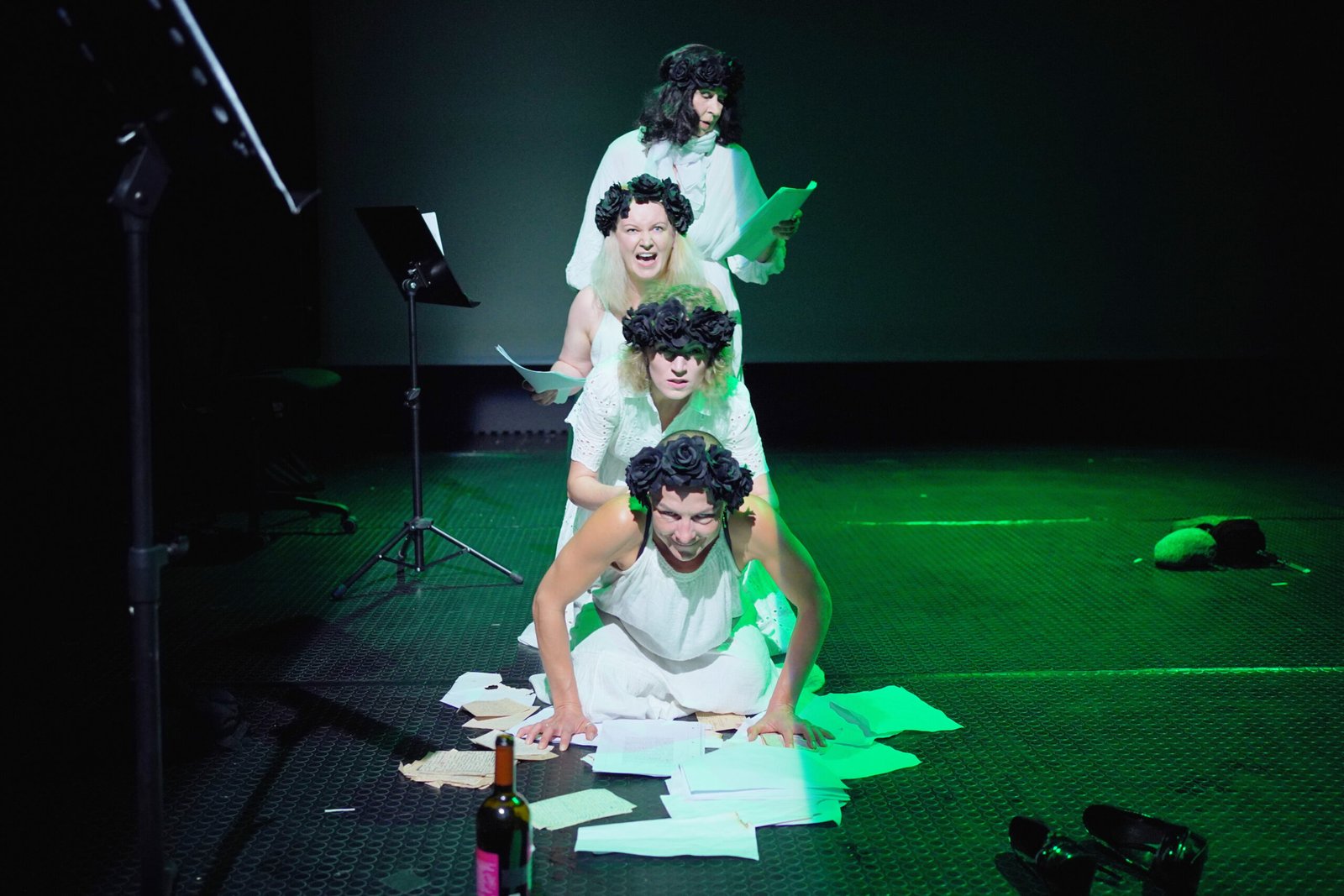
12. The theatre production “Why are you going, wolf?” — a stage adaptation based on a novella by Belarusian author Eva Vežnavets
The project brought together Belarusian actresses Sviatlana Zelyankouskaya and Yauheniya Kulbachnaya, Ukrainian actress Olha Hryhorash, and Polish actress Monika Dawidziuk, while Polish director Monika Dąbrowska structured the performance as a multilingual project about borderlands and the shared experience of the region.
The idea was born in the creative laboratory InexKult “Multilingualism on Stage.” After staged readings in Warsaw and Berlin, the premiere took place in Białystok; the production was also shown in Warsaw, and thanks to the Club of Belarusian Patrons, the performance was presented to guests of the theatre festival in Avignon, France.
Five languages are heard on stage (Belarusian, Ukrainian, Polish, English, and Russian). Notably, the languages are not divided “by roles” and are not a characteristic of a specific character, but are interwoven. This reflects the mixed identity of the region, the experience of migration and exile, and communication through different cultural codes.
13. The international art movement antiwarcoaliton.art
A project founded in 2022 by Belarusian and Ukrainian curators, artists, and art managers, which became a transnational platform. Today it brings together artists from various countries in response to Russia’s full-scale war against Ukraine and in the broader anti-colonial context of the region. It functions simultaneously as an open archive of anti-war art and as a solidarity network.
An important part of the coalition’s activity has been offline projects as well, including the exhibition “Sense of Safety”in Kharkiv — a city that has become one of the symbols of Ukrainian resistance which gave the initiative additional meaning as a form of direct cultural support under conditions of war. The project “Sense of Safety” received wide international recognition and was nominated for the National Taras Shevchenko Prize of Ukraine, one of the country’s most prestigious cultural awards.
14. The Carlos Sherman prize awarded to Belarusian poet Andrei Khadanovich for translating Ukrainian poetry
The prize for the best translated book, established in honor of the outstanding literary translator Carlos Sherman, has been awarded in Belarus since 2016. Its organizers are the charitable initiative “Viartańnie,” the International Union of Belarusian Writers, and Belarusian PEN.
For the Belarusian literary community and literary space, this award signifies not only recognition of the translator’s skill, but also the importance of bridges between literatures, cultures, and nations created through translation. Therefore, it is symbolic that the main foreign poetry books of 2023 for Belarusians were “Another Name for Love” and “Mesopotamia” by Serhiy Zhadan.
Belarusians can read Ukrainians without translation, you might say. Yes, but distinctive literary works of one nation, recreated in the language of another nation (especially when it comes to poetry!), begin to live a new life within the dimension of a new culture. This prize is a sign that for Belarusian literature today it is important to have translations of Ukrainian poetry within its own cultural field.
15. Evenings and memorial actions dedicated to the Night of Poets in Lviv, Kharkiv, Kyiv, and Odesa
After the events of 2020, for Belarusians the Night of Poets — a memorial action commemorating the victims of Stalinist repressions of the 1930s, became one of the symbols of national unity and a shared inclusive act.
It is very important that almost every year, starting from 2021, events dedicated to the Night of Poets have also been held in Ukraine. The memory of the destroyed intelligentsia, of the “Executed Renaissance,” of the mass graves in Belarusian Kurapaty and at the Ukrainian Bykivnia graves reminds us that imperial violence does not disappear by itself, and that memory becomes a form of resistance and strengthening of national identity.
For Belarusians and Ukrainians, this experience is shared: it teaches us to see the value of human life and freedom, to recognize the threats of authoritarianism, not to allow the truth to be erased, and to defend culture and language in solidarity.
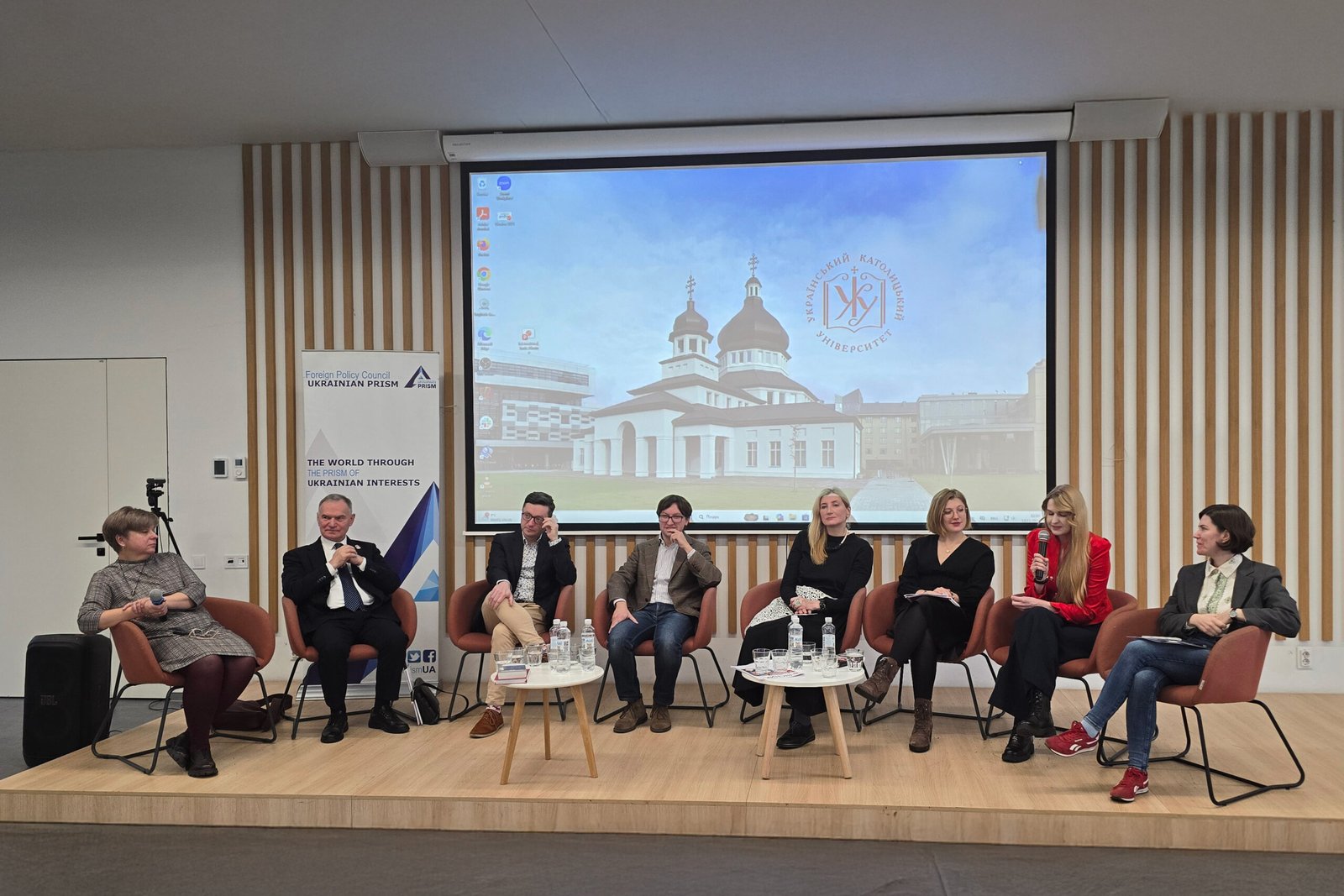
16. Cultural panel at the Ostrogski Forum in Lviv (2025)
The Belarusian-Ukrainian Ostrogski Forum was held for the fourth time last year, but for the first time a separate cultural panel appeared in its program. And this is truly important.
The Forum is one of the key intellectual platforms that usually brings together more than 100 participants from Belarus, Ukraine, and other European countries to discuss security, democratic development, and the future of Belarusian-Ukrainian relations.
But it is precisely culture — language, memory, identity — that largely determines both politics and decisions in the field of security. The discussion “Cooperation between Ukraine and Belarus in Culture: The Decolonial Dimension,” organized with the participation of the Belarusian Council for Culture, demonstrated that there is mutual interest, human warmth, and readiness for joint projects between Belarusians and Ukrainians based on shared history, figures, and cultural connections.
At the same time, tension is felt: many bridges have been destroyed, dialogue must be restored almost from scratch, so far without a common strategy or clear goal. But even this is already an important step, because the very possibility of openly speaking about problems at such a level means that movement forward has begun.
17. Publication of Alhierd Bacharevič’s novel Alindarka’s Children in Ukrainian еranslation (“Stylos,” 2025; translated by Lesyk Panasiuk and Daryna Hladun)
The first full translation of a Bacharevič work into Ukrainian, making it a true introduction of the author (the leading Belarusian prose writer of our time) into the Ukrainian literary space. The publication received wide resonance and was even included in the list of the best books of the year in Ukraine according to Ukrainian PEN.
In the context of the present time, this translation is perceived not only as a literary event, but also as an act of cultural dialogue and solidarity: it opens to the Ukrainian reader one of the key texts of contemporary Belarusian literature.
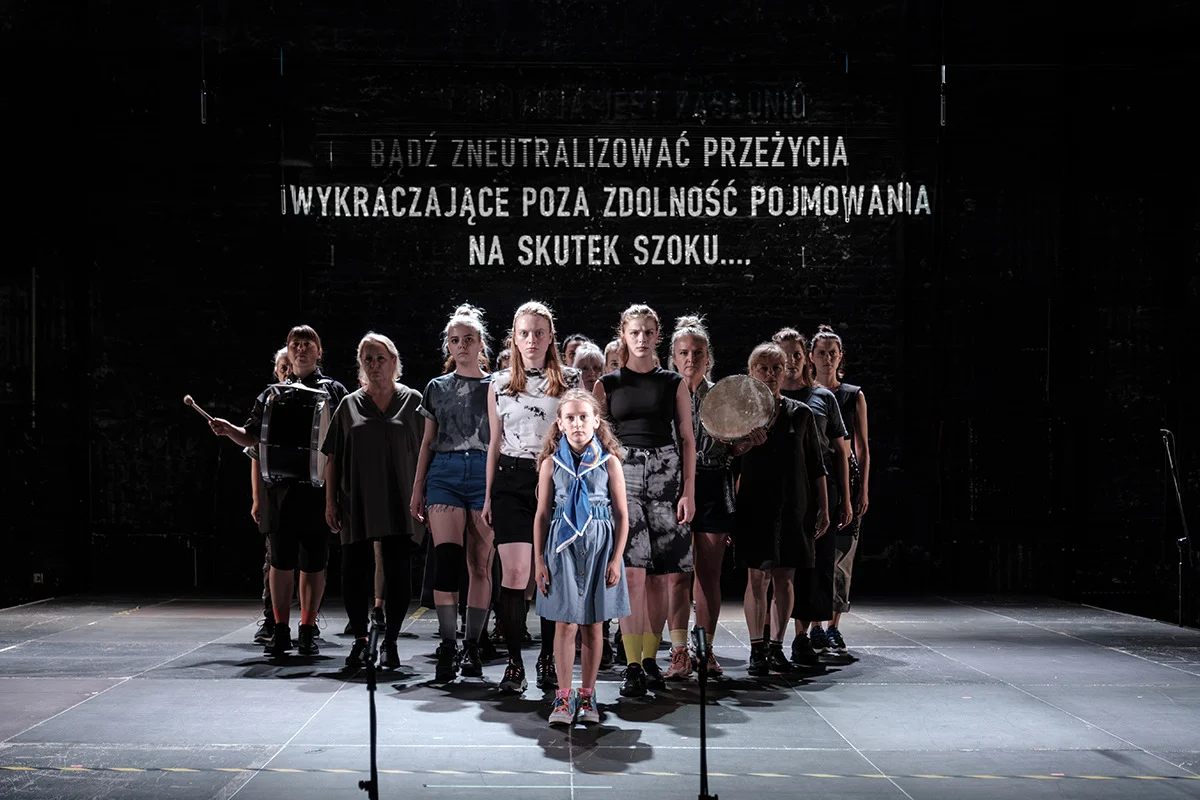
18. “Matki. Pieśń na czas wojny” (“Mothers. A Song for Wartime”)
A performance created by director Marta Górnicka together with a choir of 21 women from Ukraine, Belarus, and Poland. At its core are real stories of mothers and children affected by the war: refugees from Mariupol, Kyiv, Irpin, Kharkiv, as well as women who helped them.
The performance is structured as a collective chorusб the women sing, chant, and speak texts in different languages, combining folk songs, personal testimonies, and contemporary statements. It is also a political speech about war from a female perspective: about violence, fear, responsibility, and ways of survival.
19. Belarusian women artists at the Kyiv Biennale – 2025
Among the participants were artists Marina Naprushkina, Volia Sasnowska, and Alla Savashkevich authors who today work in an international context and outside Belarus.
Within the framework of the project, Belarus was not represented as a state or as a separate cultural scene, but was present through independent artists as part of a broader Eastern European and post-Soviet experience. In this format, the Belarusian statement is included in the common conversation about war, empire, memory, and decolonization together with Ukrainian and other European authors, rather than in isolation.
Notably, the Kyiv Biennale 2025 took place in a special format: not a single exhibition, but a networked project across different cities; not only art, but a platform for discussion and political thinking; not a “national” event, but a transnational dialogue about the region and the world.
20. A major interview with Ales Plotka on the Ukrainer YouTube channel
It happened! Perhaps one of the first cases when a Belarusian cultural figure, a poet, translator, and art manager became the guest of a long-format (a full two hours!) program on Ukrainian YouTube.
In the project “The Language Question,” particular attention is paid to languages included in the list of languages endangered in Ukraine, including Belarusian. In this episode, the conversation is built around the Belarusian experience: the topic of repression, Russification, and the losses endured by culture is addressed; contemporary challenges are discussed as well (emigration, political pressure, and changes in the language situation).
An important place is given to the theme of translation as a way of dialogue between cultures, allowing people to understand one another better. The interview is conducted in Ukrainian.
Instead of conclusions
Belarusian-Ukrainian cultural cooperation today is in a phase of rethinking its formats, tasks, and strategic priorities. It can no longer rely on state mechanisms, but it receives a chance to effectively develop as a horizontal, decolonial, and subject-driven model of interaction.
This is not about creating new connections from scratch, but rather about restoring and developing cultural contacts that historically formed over decades and even centuries, and which today can become the foundation for joint resistance to imperial narratives and cultural dependency.
As practice shows, for such cooperation under present conditions, Belarusians and Ukrainians often require a mediator: in this role, European cultures can act through relevant structures and institutions.
Main photo: scene from the opera “The Wild Hunt of King Stakh” by the Belarus Free Theatre. Photographer credits: Linda Lylind.