We continue our series of stories about projects supported by ArtPower Belarus with funding from the European Union.
Artist Rufina Bazlova’s project began in 2021 with embroidered stories of Belarusian political prisoners. Over the years, it has grown into a large collective archive, created with contributions from people across different countries. With the support of ArtPower Belarus, the collected works were presented together for the first time in a large-scale spatial installation at the Matter of Art Biennial in the Czech Republic. The support also made it possible to complete an important stage in the development of the digital archive.
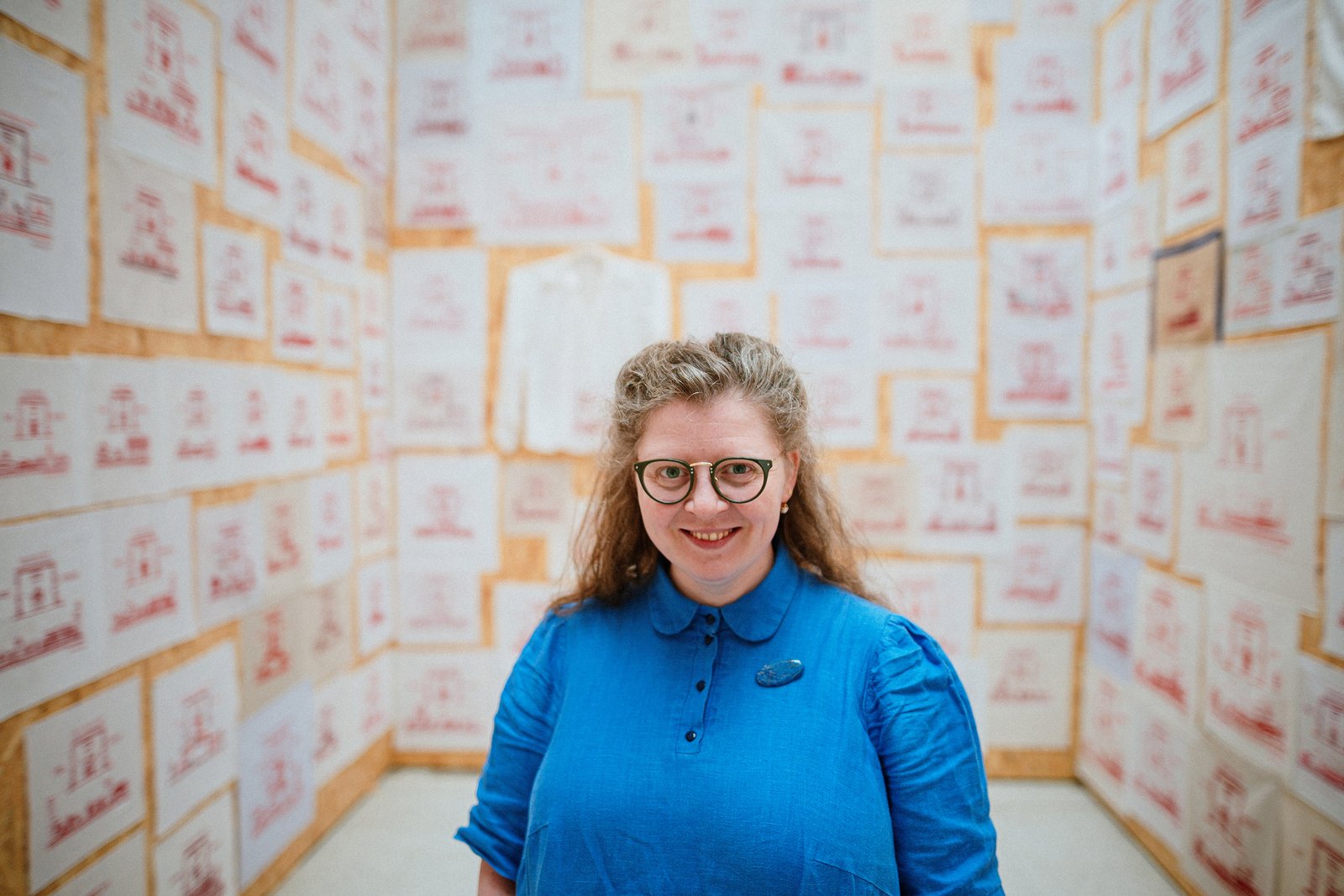
We spoke with Rufina Bazlova about how hundreds of individual embroideries became a single artistic statement, why the process of participation is just as important as the finished works, and what became possible thanks to grant funding.
From individual stories to a large-scale project
Rufina Bazlova is best known for her embroideries, in which a traditional craft has become a visual language for reflecting on contemporary Belarusian history. However, the artist emphasises that her creative background extends far beyond embroidery. She studied scenography at the Academy of Performing Arts in Prague and has worked in theatre, performance art, and projects in which audiences become active participants in the artistic process.
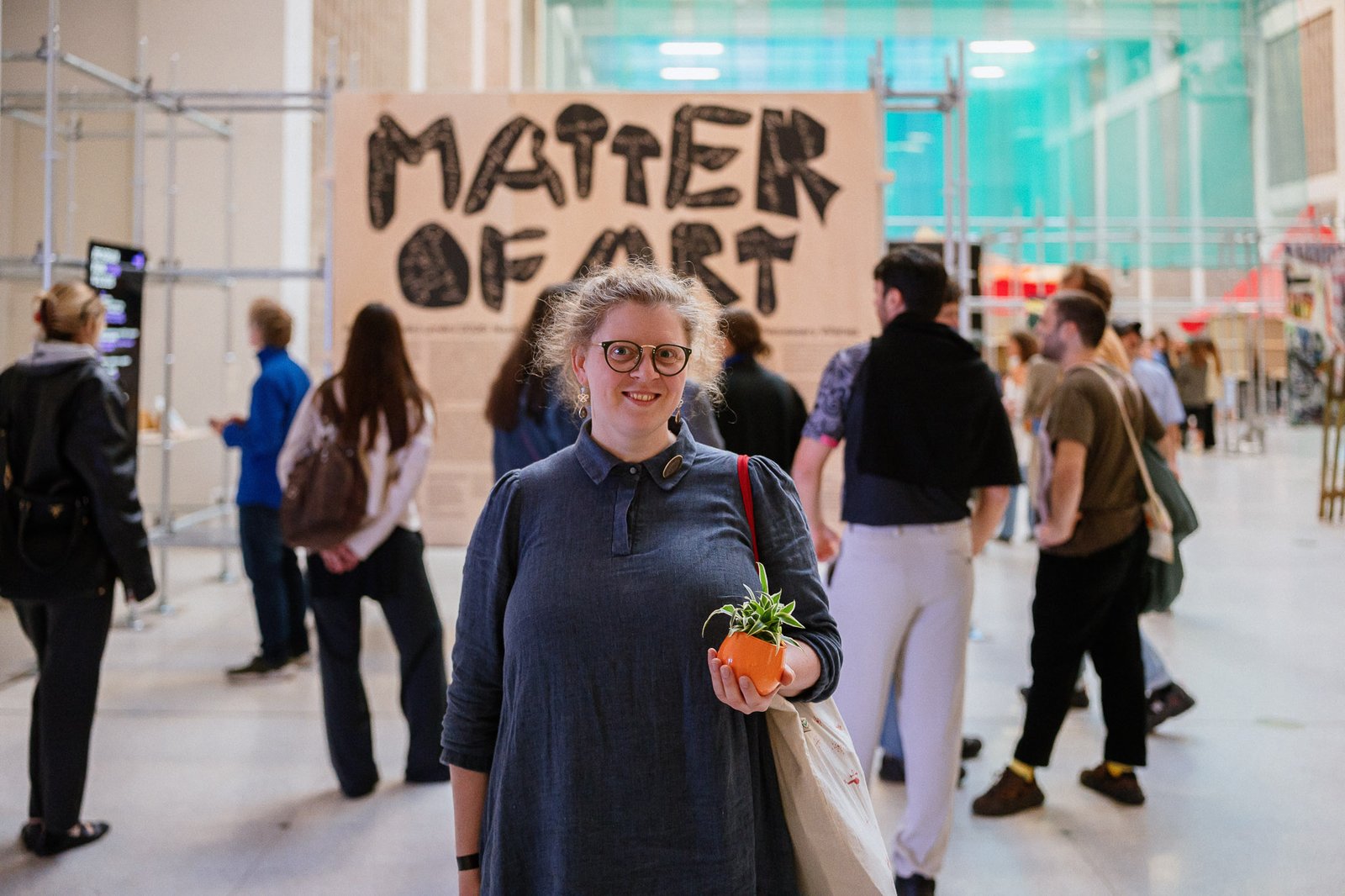
This approach is also central to her project dedicated to Belarusian political prisoners. Launched in 2021, it was conceived from the outset not simply as a series of artworks, but as an ongoing collective process.
“For me, this is first and foremost a process-based work. The process itself is a very important part of the project. We held workshops, people joined online, and everyone participated in different ways, embroidering the stories of political prisoners using patterns I had created. We then collected these works, and that is how our archive gradually grew,” Rufina explains.
According to the artist, the collection now contains around 690 embroideries.
Over the years, individual parts of the collection have been exhibited on numerous occasions. However, the scale of these exhibitions remained limited: sometimes only a single work was displayed, while the largest exhibition included approximately 130 embroideries.
The idea of presenting the entire collection as one artistic statement had emerged earlier, but bringing it to life was far from straightforward.
“I really wanted to see what it would look like and try working with the entire collection,” Rufina recalls.
The concept behind the installation
Presenting hundreds of embroideries in a single installation meant changing the way audiences would normally experience them. For the artist herself, this was not an easy decision.
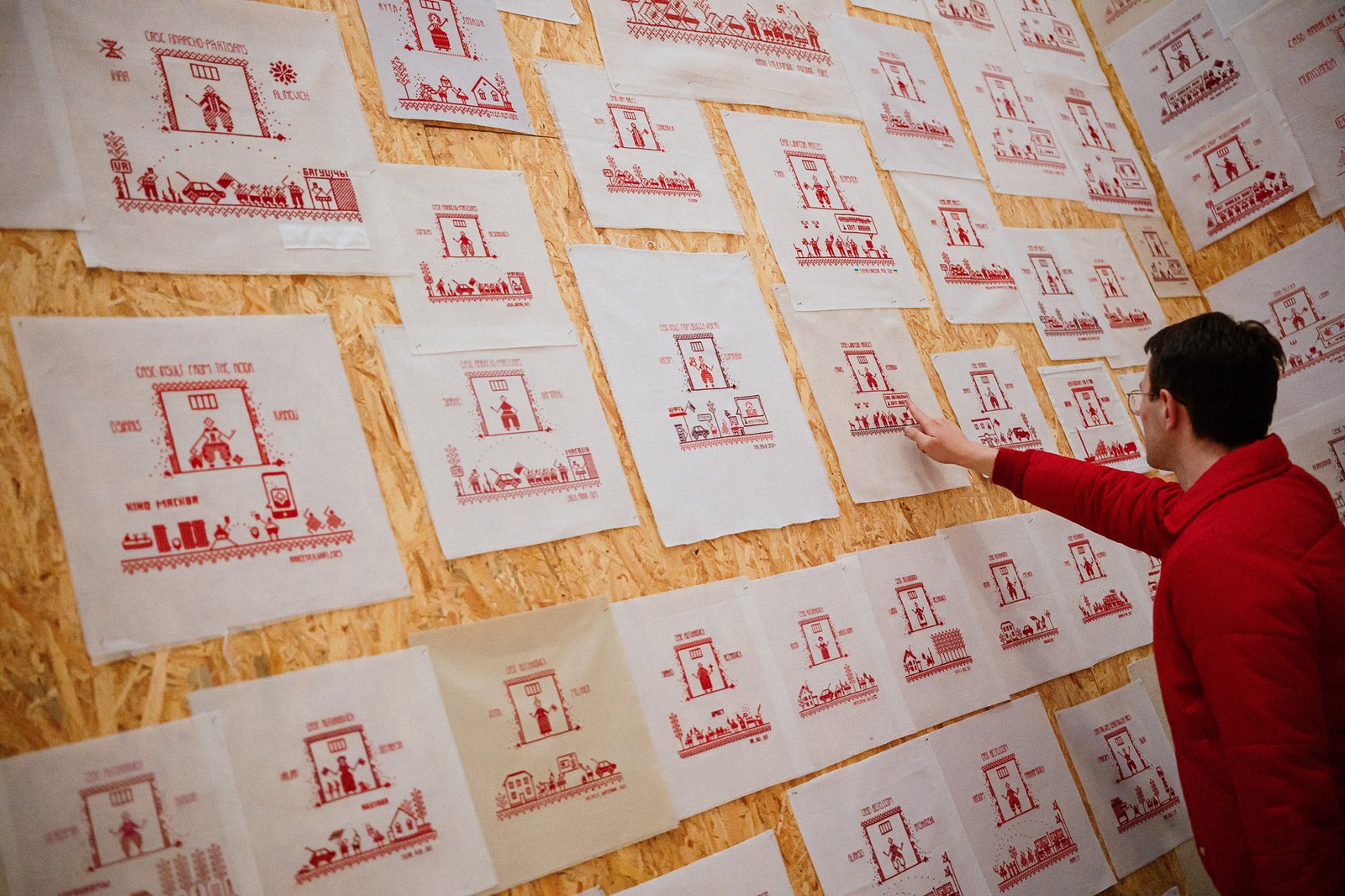
“I faced a certain dilemma. Embroidery is a very delicate form of work. It is interesting to examine it up close and notice the technical details. But when you work with such a large number of embroideries, some of them end up so high that it becomes impossible to see everything. That is why it was important to me to have an online archive alongside the installation, where people could explore each work individually.”
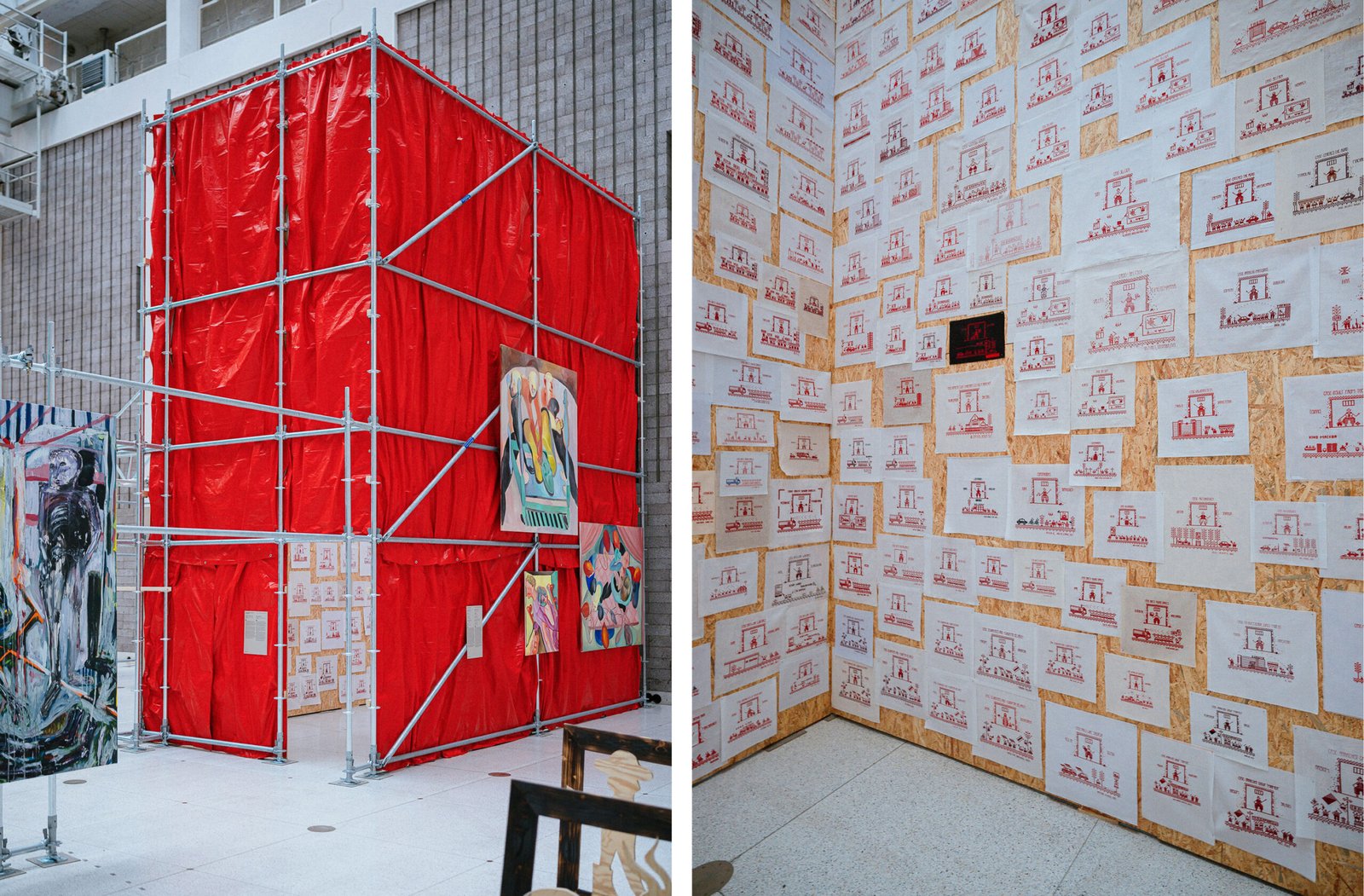
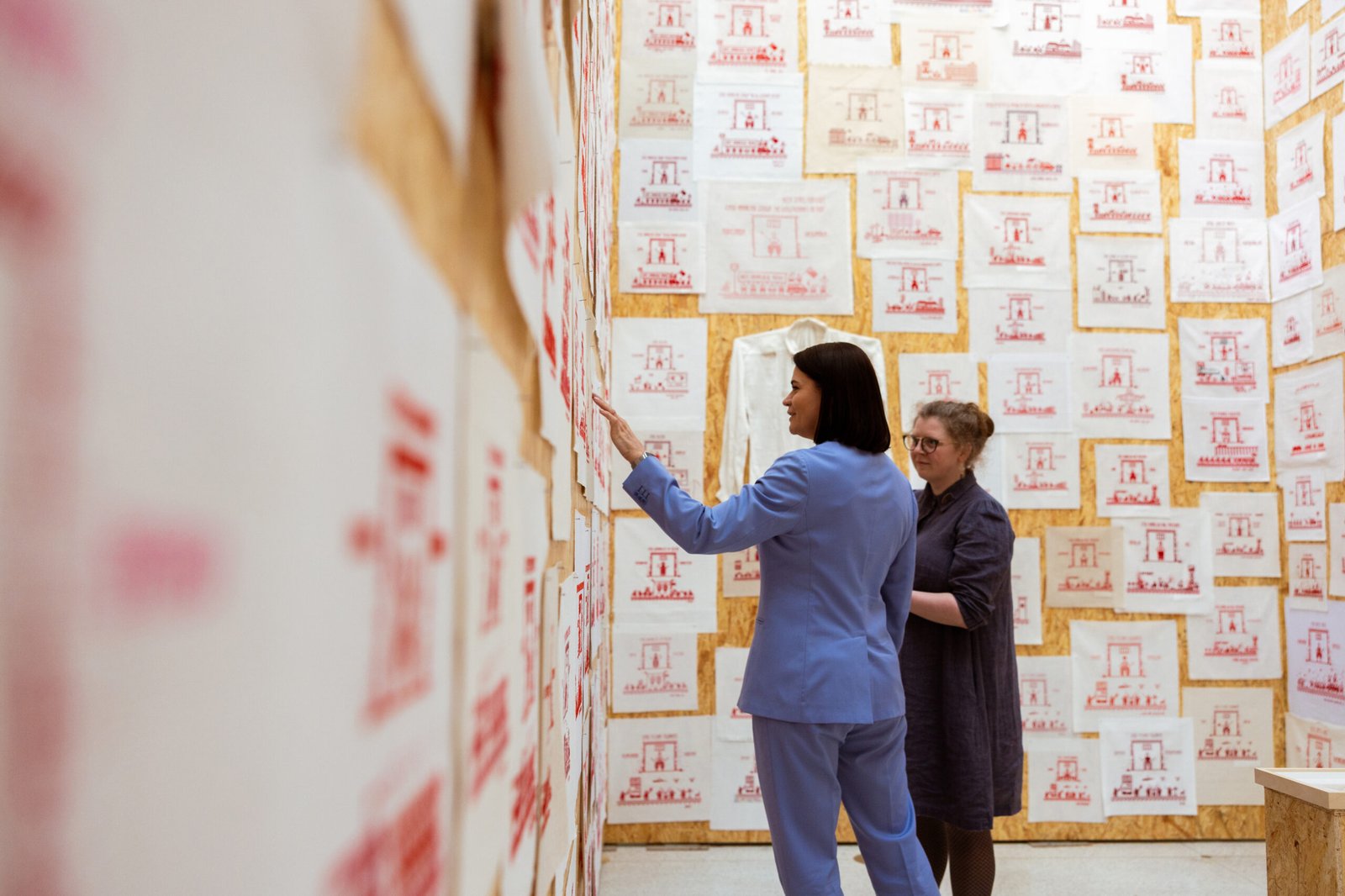
At the Matter of Art Biennial, Rufina proposed a different way of encountering the collection: entering a space completely surrounded by embroideries.
A specially designed structure was built for this purpose, measuring approximately three by six metres and reaching a height of 6.7 metres.
“It turned into something resembling a room, a cell, or a well. It was important to me that the embroideries surrounded visitors on all sides, that their sheer number would feel almost overwhelming, and that the works would extend high above them. It is impossible to take it all in at a single glance.”
This also transformed the way the project was experienced. Each embroidery continued to tell an individual story, but together they conveyed both the scale of repression and the scale of solidarity among those who had contributed to the project.
Three weeks of planning and hundreds of small tasks
Behind the installation’s seemingly chaotic appearance was a carefully designed system for arranging hundreds of embroideries.
“Everything looks chaotic, but in reality there is a very strict system behind it. It took me about three weeks just to plan the arrangement of the embroideries,” Rufina explains.
Once the layout had been developed, architects and other specialists joined the process, working on the structure, fixtures, and installation.
Preparing the collection itself was another major task. Although the embroideries were already stored according to an established system, they had to be reorganised to match the exhibition layout.
This took approximately three more days. Installing the works took around five to seven days.
The process proved more labour-intensive than the team had anticipated during the planning stage.
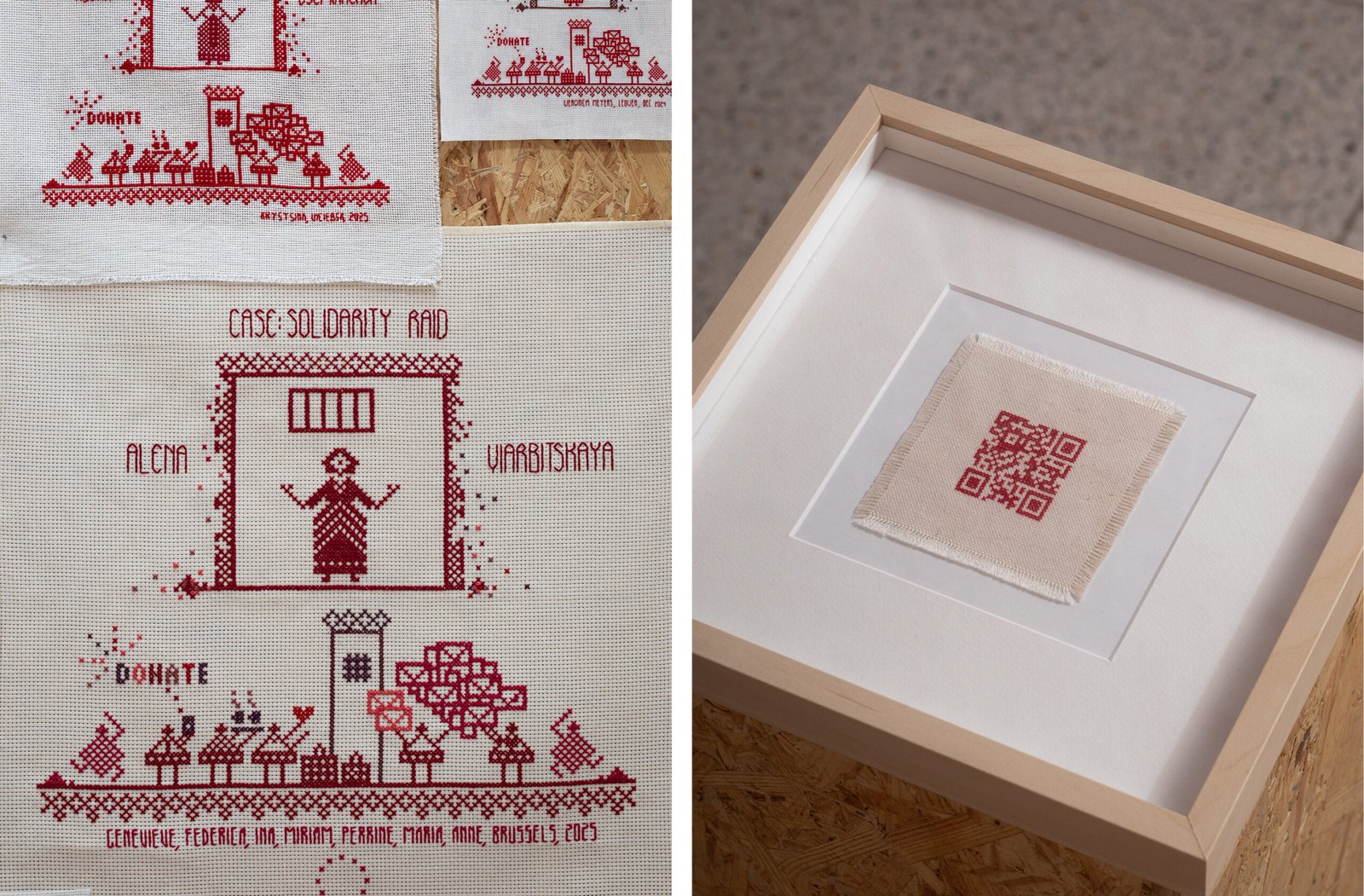
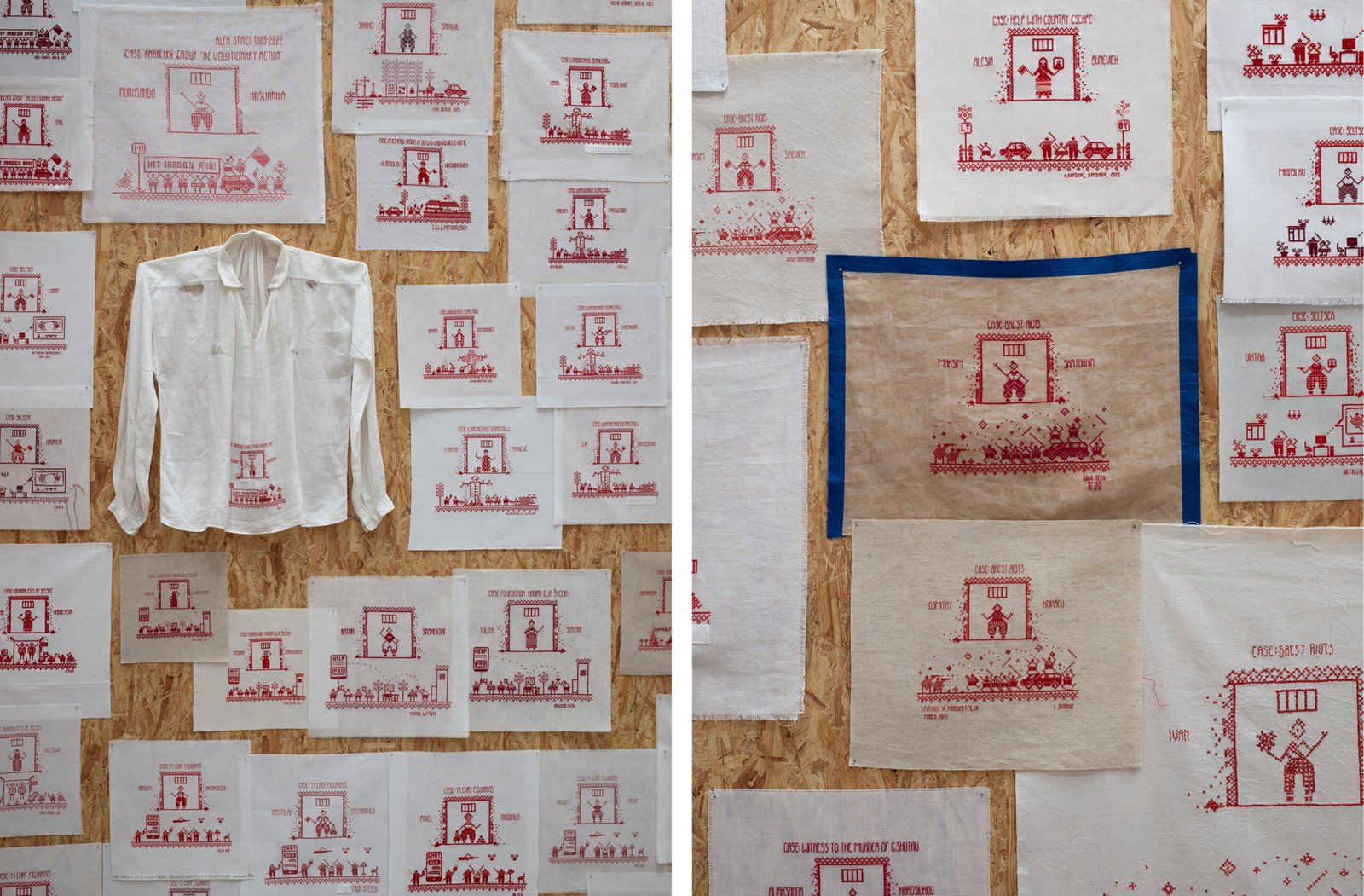
“There is an enormous amount of small-scale preparatory work involved. At least now we know how much time it actually takes to process the entire archive and prepare an exhibition of this kind,” the artist notes.
It was precisely this volume of work that became one of the main reasons why grant support was essential.
What ArtPower Belarus made possible
The biennial organisers were interested in presenting the collection on a large scale, but they did not have sufficient resources to realise the installation in its intended form.
“We spoke with the biennial organisers, and they were very keen to present the works in a large-scale format. But they did not have enough funding. This is not simply a matter of taking one large artwork and hanging it on a wall. There is an enormous amount of detailed preparatory work involved, and all that time has to be paid for. Thanks to ArtPower, it became possible.”
However, the grant support extended beyond the physical exhibition.
A second important outcome was progress on the digital archive, which the team had been developing over several years.
This is much more than a photographic catalogue of embroideries. Each work is accompanied by information about the political prisoner, the circumstances of their persecution, the person who created the embroidery, and their motivation for participating in the project.
The archive also makes it possible to find out where a particular work has been exhibited and to explore the history of the project’s public presentations.
This system also helped resolve an important artistic dilemma. Rufina can now work with large numbers of embroideries in a single space without worrying that individual stories will be lost.
In the installation, visitors encounter the scale of the collection. In the digital archive, they can return to a particular person and their individual story.
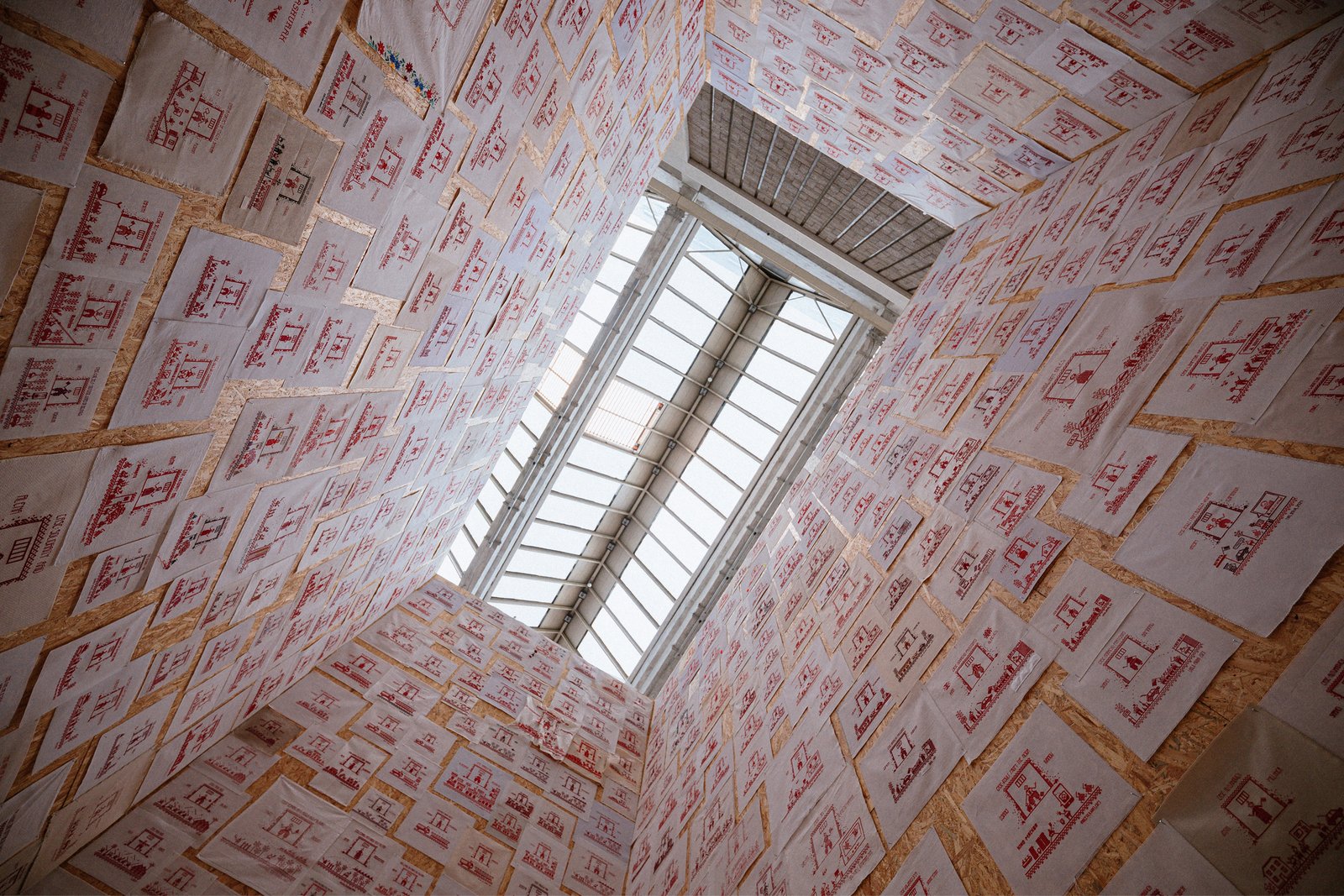
“On the one hand, the scale of repression; on the other, the scale of solidarity”
For the artist, one of the most important outcomes was the response from visitors.
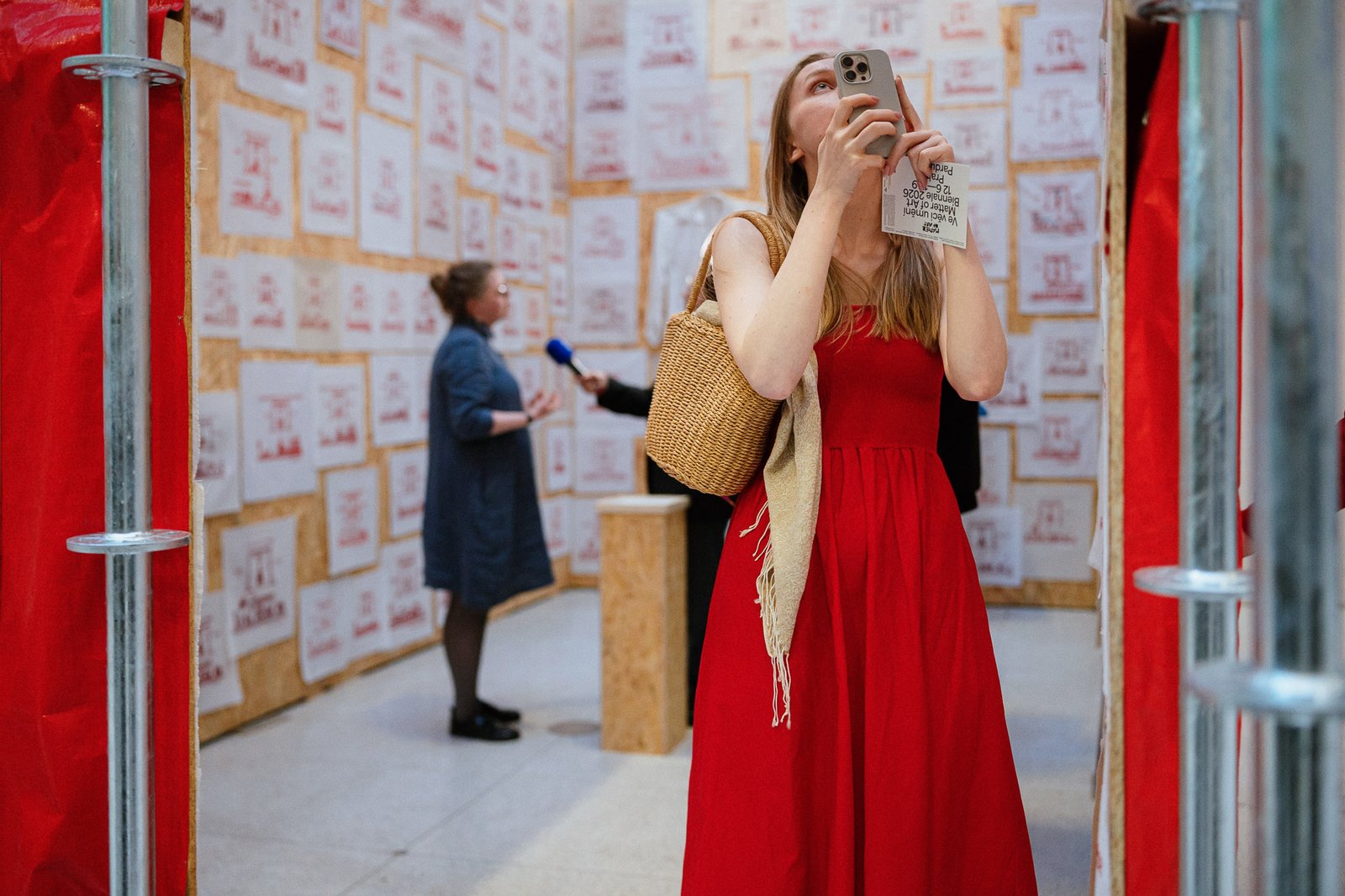
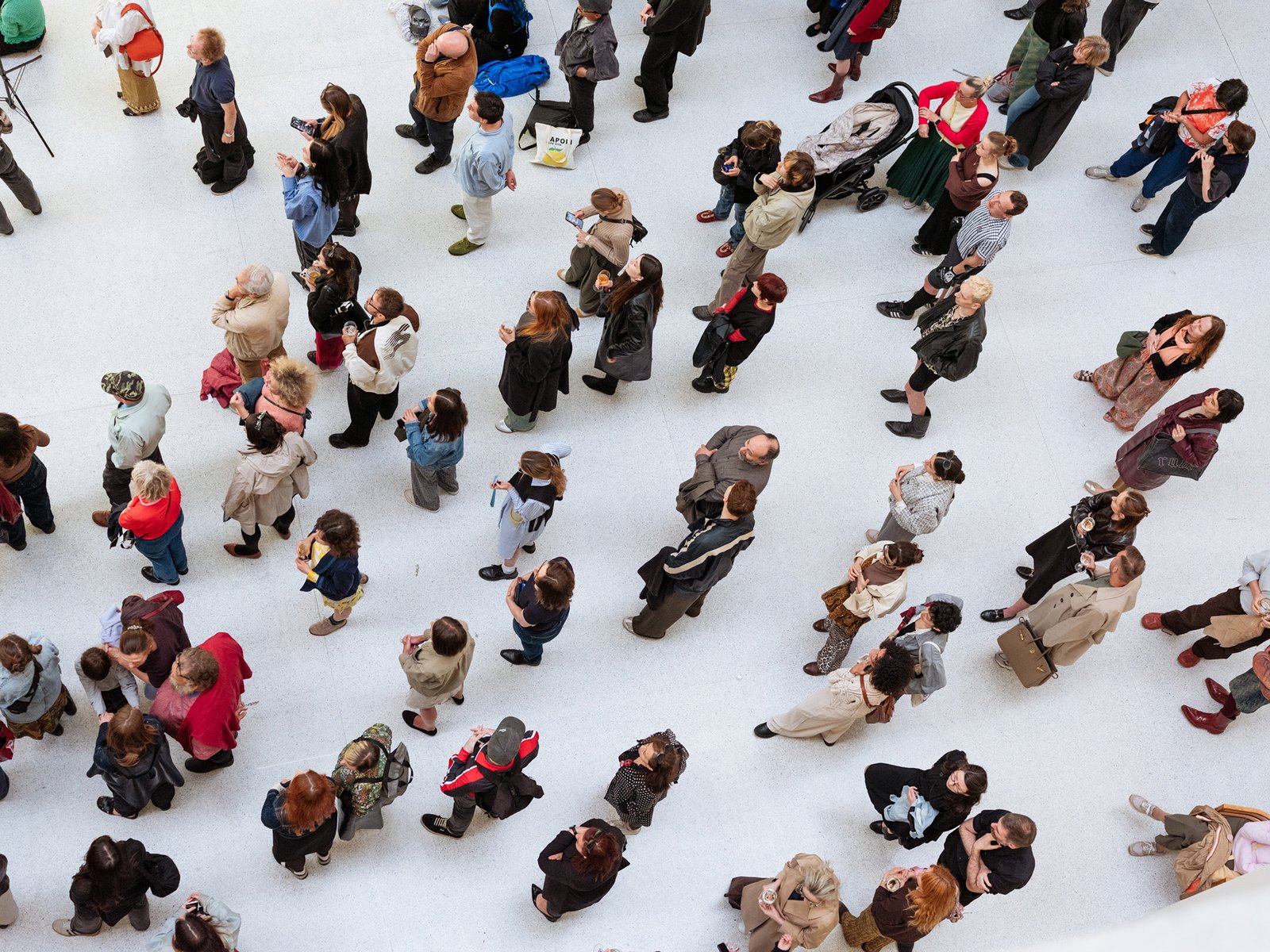
She notes that the installation worked exactly as intended: people could physically experience its scale.
“On the one hand, you could physically feel the enormous scale of repression. On the other, the solidarity of the people who had contributed to the project.”
Some of the contributors who had embroidered works for the collection travelled to see the exhibition. A number of them tried to find their own embroidery within the installation, although this was not easy.
Yet even those who could not locate their work told Rufina that they were happy to see themselves as part of such a large collective effort.
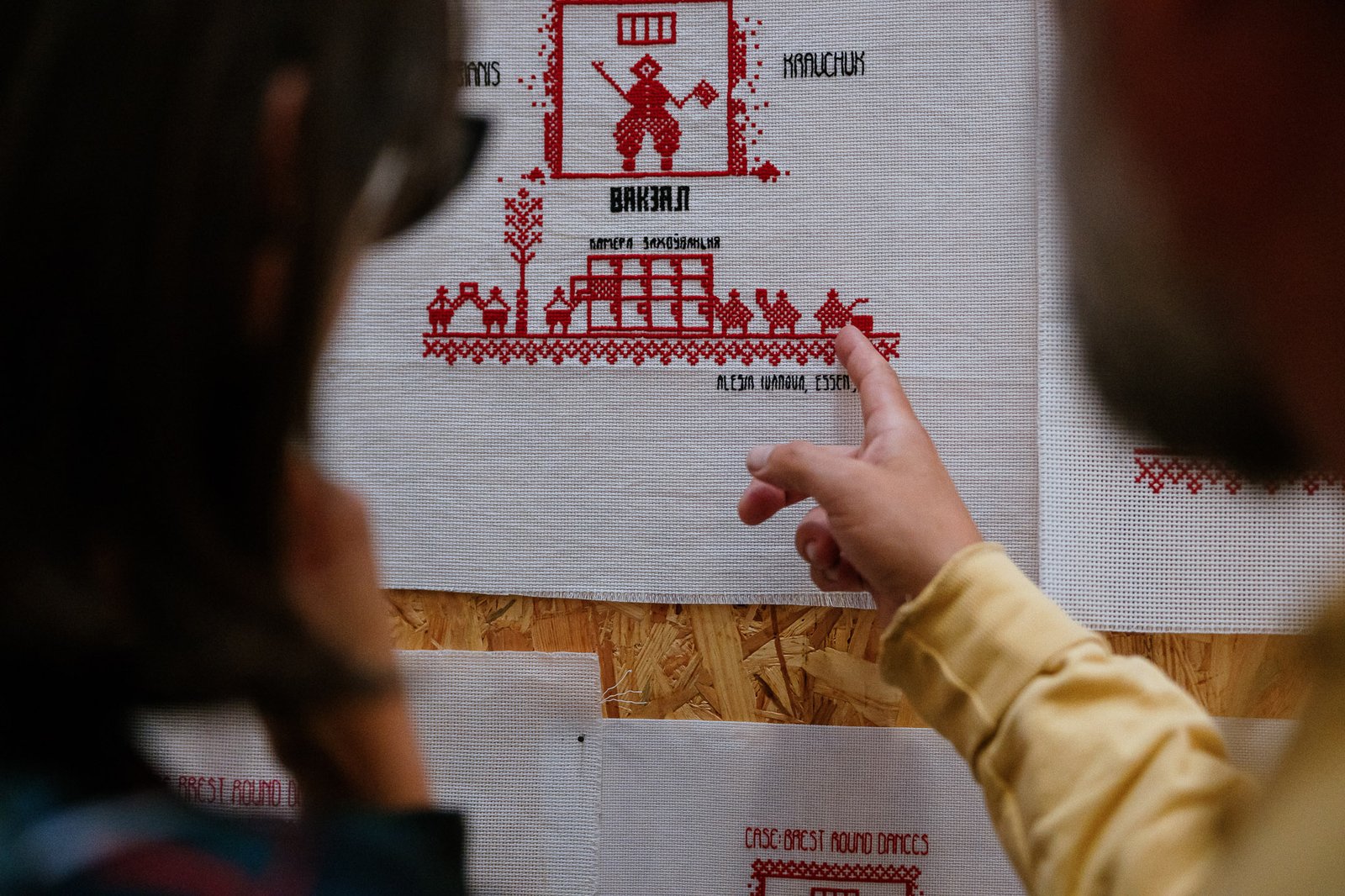
The installation also attracted the interest of visitors who were unfamiliar with the details of the situation in Belarus. It turned out that the embroidered stories could be understood even without extensive explanations.
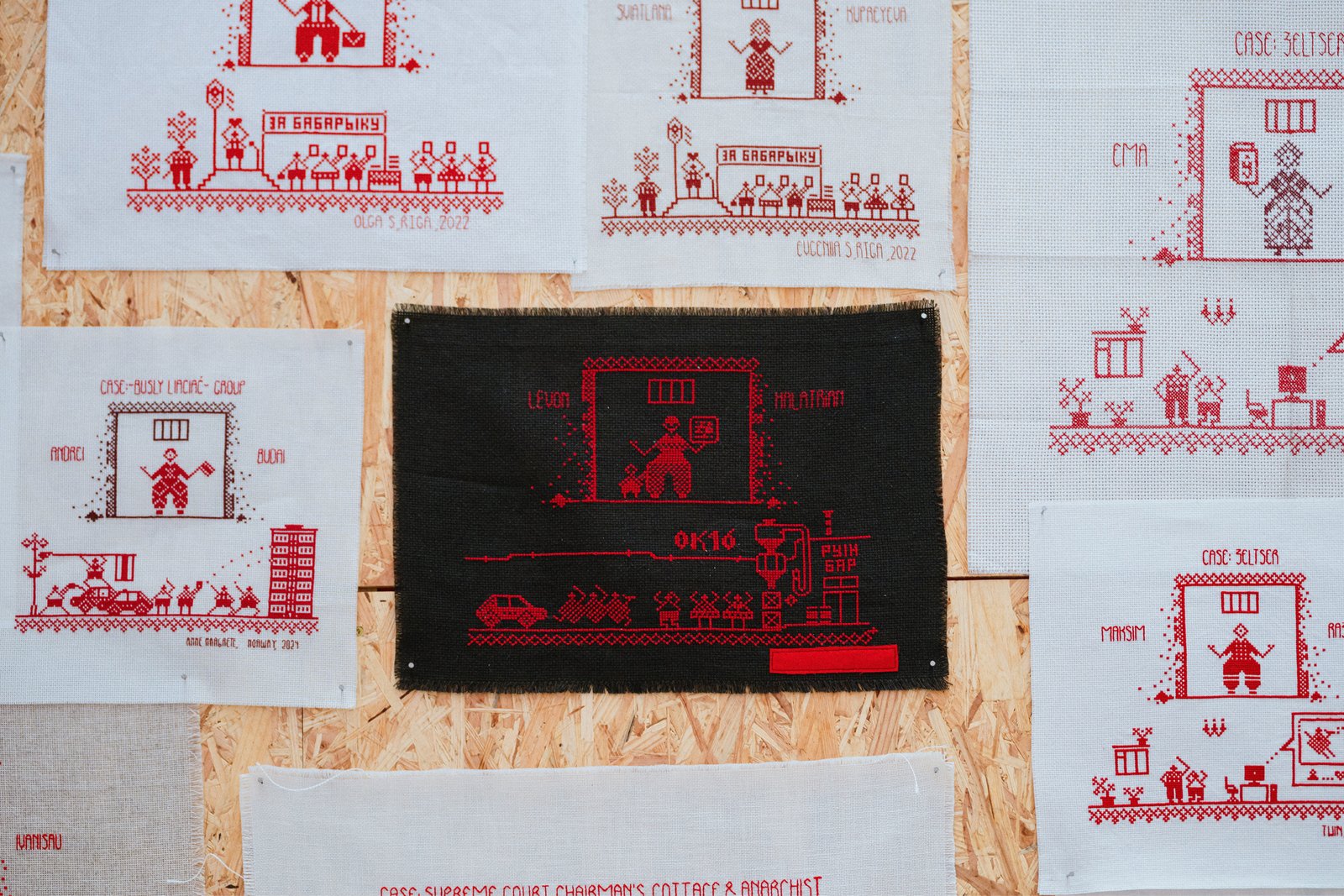
“We even played a kind of game: I invited people to try to tell the story of a political prisoner just by looking at the image. And they really did understand certain things straight away. You do not necessarily need to know every detail of the context. Some images are immediately recognisable: someone being detained, someone being persecuted, someone being shot at.”
This experience demonstrated how an artistic project can open up conversations about Belarus with people who previously knew very little about events in the country.
A project that continues to grow
For Rufina Bazlova, the Matter of Art exhibition did not mark the end of several years of work. Rather, it offered the first opportunity to see how the entire accumulated collection could function within a large exhibition space.
At the same time, the development of the digital archive laid the groundwork for the collection’s continued preservation and presentation.
This is particularly important for a project in which the artistic outcome is inseparable from people’s participation. Behind every embroidery stands not only the story of a political prisoner, but also a person who chose to dedicate their time and effort to telling that story.
Stories that must not be forgotten
Art cannot change the fate of political prisoners or undo what has happened to them. But it can help preserve their stories in collective memory and ensure that they continue to be heard beyond Belarus.
Openning. Biennale Matter of Art, National Gallery, Prague. Photo Jan HromádkoRufina Bazlova’s project shows that this does not always require grand statements or complex artistic forms. Sometimes a simple act is enough: picking up a needle and thread and dedicating your time to the story of someone you may never have met.
And it is precisely through such individual decisions that solidarity capable of crossing borders is born.