In autumn 2020, when the independent cultural sector was facing repression, the loss of institutions and resources, and forced emigration, the Belarusian Council for Culture was founded. Over these six years – both short and long in their own way – we have supported hundreds of cultural professionals and their projects and implemented dozens of our own initiatives. But we have also contributed to broader, more significant changes: rebuilding the infrastructure of independent Belarusian culture, strengthening its visibility and positioning, expanding international connections, and improving cultural professionals’ access to resources.
Here are six changes that may now seem familiar and almost inevitable, but to which we believe the Belarusian Council for Culture has also contributed.
1. Culture Has Become a Distinct Priority in International Support for Belarus
Back in 2020, culture was still largely treated as an addition to other areas within international support programmes for Belarus. Its importance had to be explained repeatedly, while the needs of the cultural sector had to be incorporated into broader programmes focusing on civil society, human rights, or democratic transformation.
Today, culture is increasingly recognised as a distinct area of support, with its own needs, expertise, and dedicated funding instruments. It has become more prominent not only on the international agenda, but also within Belarusian civil society and discussions about the country’s future.
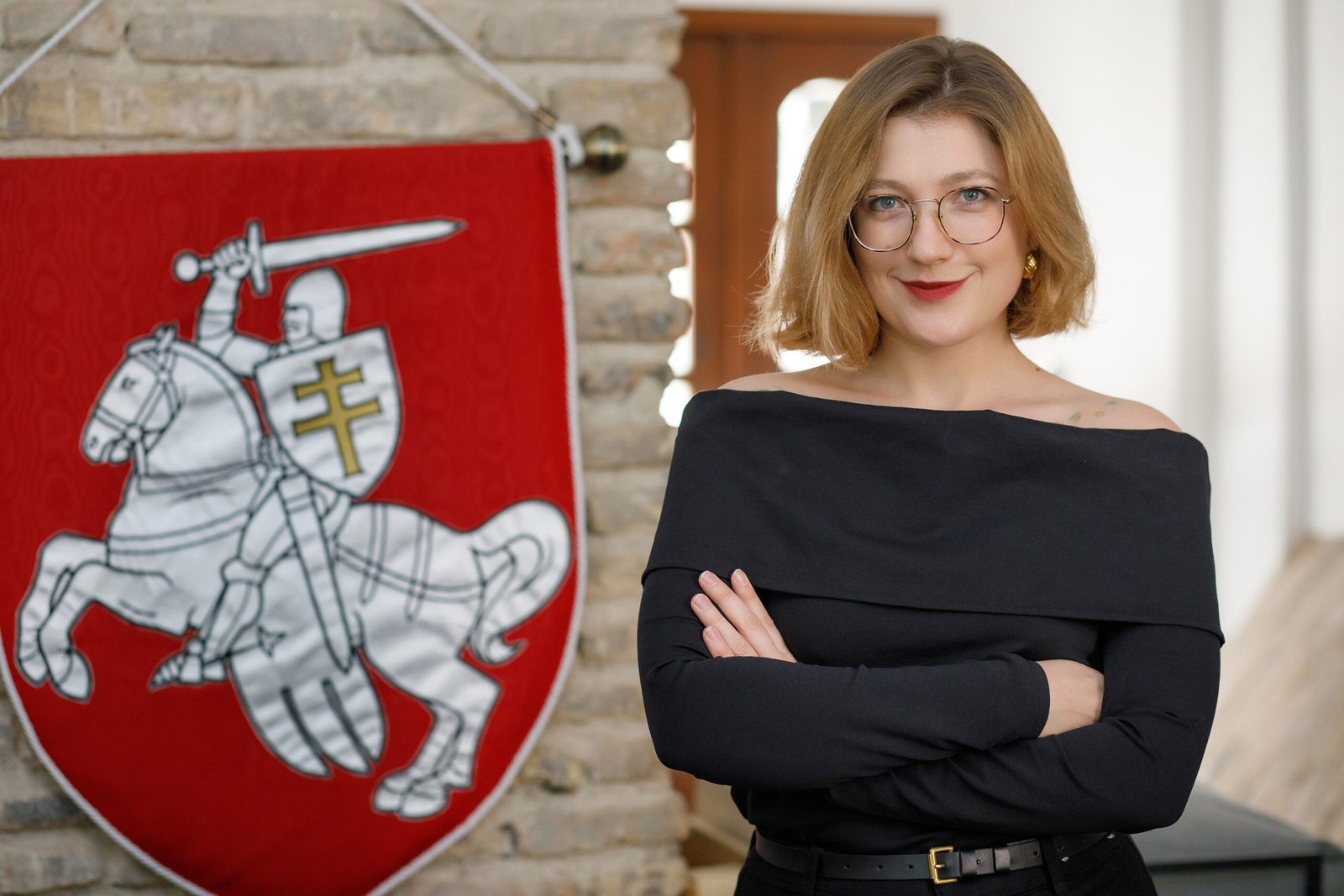
Elina Kalnibalotskaya, Development Director at the Belarusian Council for Culture:
This shift did not happen on its own. Over the past six years, we have systematically researched the needs of the cultural sector, developed strategies, participated in international consultations and meetings, and advocated for culture wherever decisions about support for Belarus were being made. Often, this work began even before dedicated programmes or funding for it existed.
Culture is now included in European Union programmes and those of several national donors and partners, including Sweden, Denmark, and Germany. Dedicated instruments supporting Belarusian culture have also been established, such as ArtPower Belarus, through which more than 200 projects by Belarusian cultural professionals have already received support. Culture is also increasingly addressed as a separate topic at international forums, conferences, and discussions about Belarus.
Today, we no longer need to begin every conversation by explaining why culture deserves support in the first place. Instead, the starting point has become a different question: what kind of support does Belarusian culture need, and how can we make it more sustainable and effective?
2. The Independent Cultural Sector Has Developed Its Own Infrastructure
The crisis following the events of 2020 forced most cultural initiatives to focus primarily on survival: how to keep their teams together, secure funding, and implement their next project. Against this backdrop, establishing professional networks, associations, and new institutions could seem like a secondary priority, while new organisations could be perceived as competitors for limited resources.
Today, the landscape looks different. Over six years, at least 20 professional networks, associations, and institutions have received financial, project-based, educational, or mentoring support from the Belarusian Council for Culture. Importantly, many of them are now developing independently: securing funding, bringing professional communities together, launching collaborative projects, expanding internationally, and representing the interests of their respective fields.
Mechanisms for coordination between organisations have also emerged. The Forum of Cultural Organisations now brings together more than 30 participants who meet regularly, exchange information, discuss the state of the sector, and work together on shared priorities.
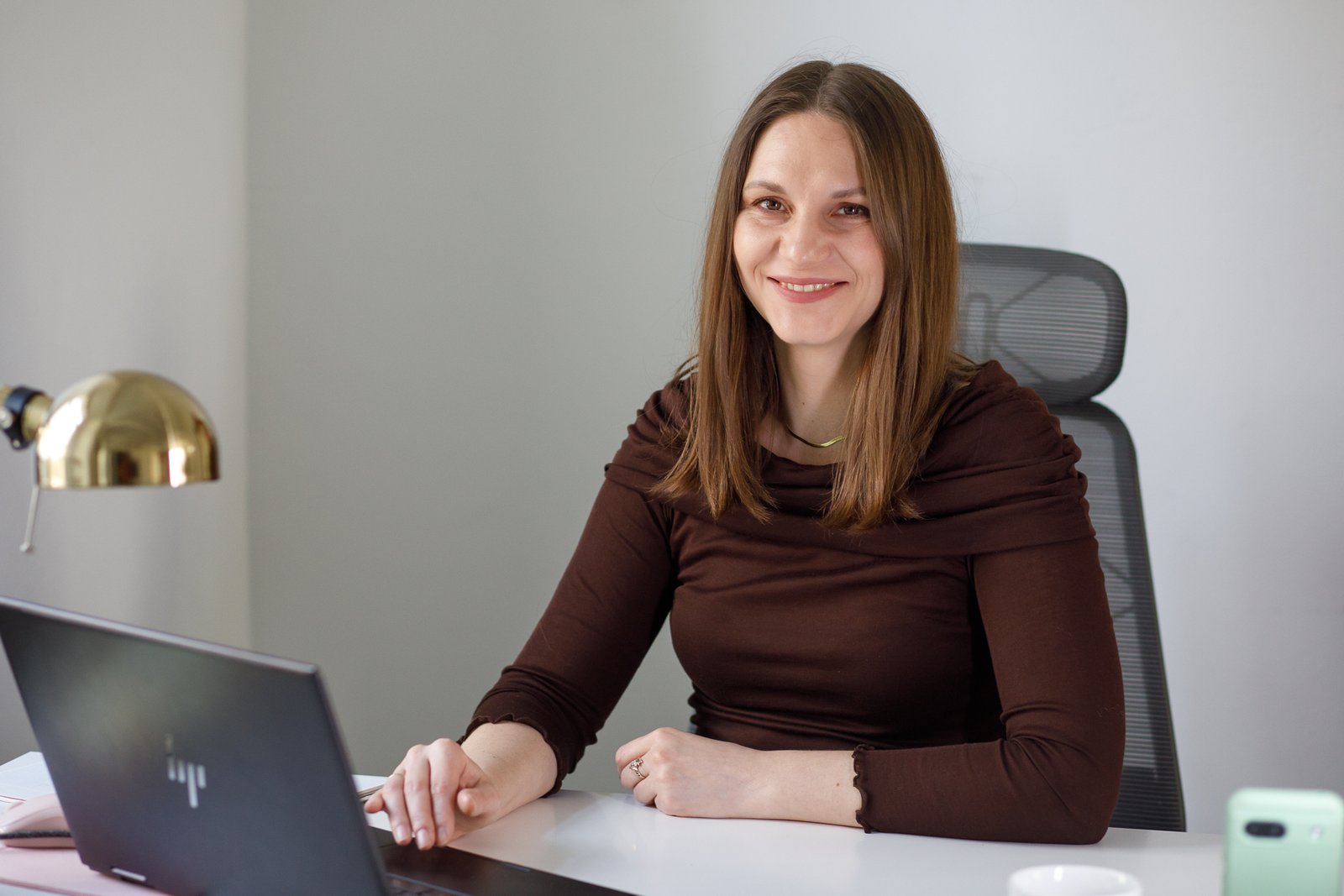
Nadzeya Haretskaya, Deputy Director of the Belarusian Council for Culture:
This change is difficult to capture in a single indicator. It is visible in the way the professional sector itself operates: organisations share resources and information more frequently, develop and implement joint projects, research the sector’s needs together, and prepare advocacy documents. Where six years ago there were mostly individual projects and a struggle for survival, an interconnected network of institutions and professional communities is now gradually taking shape.
3. Belarusian Culture Has Become a Visible Part of the European Cultural Landscape
The presence of Belarusian culture in Europe has become more visible and systematic. It is no longer just about occasional tours, exhibitions, or the achievements of individual artists, but about regular participation in professional networks, festivals, international programmes, and cultural discussions.
For example, a Belarusian component is being incorporated into the preparations for the Lublin European Capital of Culture 2029 programme. Belarusian projects and cultural professionals receive awards and prizes and participate in the Berlinale, the Venice Biennale, the Avignon Theatre Festival, and other international events. Through mobility programmes, hundreds of Belarusian cultural professionals have attended festivals and professional gatherings, found new partners, and joined international networks.
But the change goes further: international connections are no longer established solely at the initiative of the Belarusian side. Foreign media outlets, researchers, and cultural organisations from Sweden, Denmark, Italy, Finland, the United States, the United Kingdom, and other countries now approach us when looking for expertise, partners, or insights into the Belarusian context.

Belarusian culture is gradually ceasing to be a blind spot that needs to be introduced from scratch every time. It is increasingly present in international conversations as a recognisable and independent participant, relevant and interesting far beyond the Belarusian context.
4. Cultural Research and Analysis Are Influencing Support Programmes
For a long time, systematic data on independent Belarusian culture was lacking. Assessments of the sector’s condition, needs, and changes had to rely on individual studies, observations, and the experiences of cultural actors themselves.
Regular research and analysis have helped change this. By studying independent Belarusian culture year after year, we can now track developments, compare different periods, and identify emerging trends.
Maria A., Coordinator of Analytics:
The most important change, however, is that research and analysis are increasingly moving beyond publications and influencing practical decisions. The findings of our experts’ work are used to design new support programmes and adjust existing mechanisms. They also provide a foundation for advocacy positions, reports, and international discussions.
We organise media briefings and expert meetings around our research, creating opportunities for researchers, cultural actors, journalists, donors, and international partners to discuss the findings of analytical reports.
As a result, research and analysis are becoming practical tools that help stakeholders better understand the state of independent Belarusian culture and align support programmes with the sector’s actual needs.
5. Support for Cultural Professionals Means the Opportunity to Continue Their Work
Over the past six years, the Belarusian Council for Culture’s Assistance Programme has received more than 3,000 requests from cultural professionals who have faced repression, forced emigration, job loss, or the inability to continue their professional activities.
Alena D., Assistance Programme Manager:
Initially, this support was most often a response to an acute crisis: helping someone through a difficult situation, providing advice, or finding the necessary resources. Over time, the very logic of this work has changed, because helping someone get through a crisis is not enough. It is equally important to prevent them from being forced out of their profession, losing connections with the cultural community, and losing the opportunity to continue creating.
This is why, alongside individual assistance, mechanisms for project support in exceptional circumstances have been introduced. They enable cultural professionals affected by repression, imprisonment, forced emigration, or loss of resources to return to professional work, implement new projects, and re-engage in creative life.
During the first year of Track 3 of the ArtPower Belarus programme (Projects in Challenging Circumstances), 36 creative initiatives received support. Of these, 23 are being implemented by cultural professionals who have experienced repression, including 12 former political prisoners who were forced to leave Belarus after their release.
This helps preserve individual artists’ professional experience and creative careers while also strengthening the potential of the cultural sector as a whole.
6. Cultural Actors Have Become More Independent in Seeking Opportunities
Funding helps implement a specific project, but it does not, in itself, make the sector more sustainable. That is why education, mentoring, and networking have gradually become an increasingly important part of our work, helping artists and teams find opportunities independently, build partnerships, and access new resources.
We create opportunities for professional development and knowledge exchange and help establish connections with businesses, international partners, and other cultural organisations. Sometimes an application does not receive support through our programme, but the project is still implemented – thanks to alternative funding, new partners, or a model that the team has managed to develop independently.
For us, this is one of the most important changes: support should not increase cultural professionals’ dependence on donors or individual organisations. On the contrary, it should strengthen their ability to act independently and find their own ways to bring ideas to life.
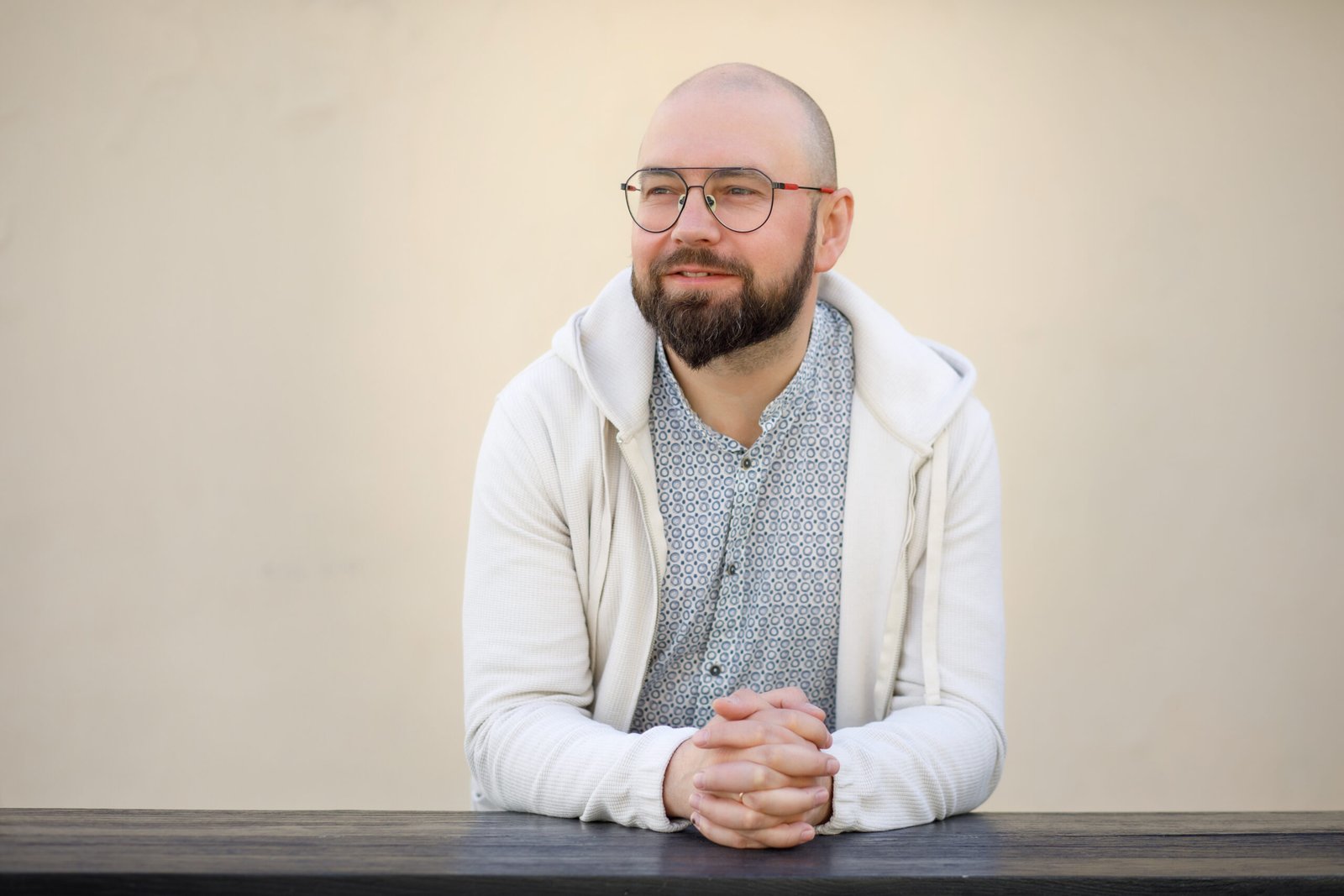
Siarhei Budkin, CEO of the Belarusian Council for Culture:
Our role is to create and nurture an ecosystem in which Belarusian culture can grow and develop. We help build an environment where the cultural sector can access the resources it needs – funding, knowledge, research and analysis, connections, partnerships, and international opportunities. When things that required dedicated efforts, advocacy, and a struggle for resources just a few years ago begin to be seen as something natural today, it means the environment has truly changed and become more favourable for preserving and developing Belarusian culture. For us, that is the best possible outcome.