

We continue our series of interviews with projects supported by ArtPower Belarus, funded by the European Union.
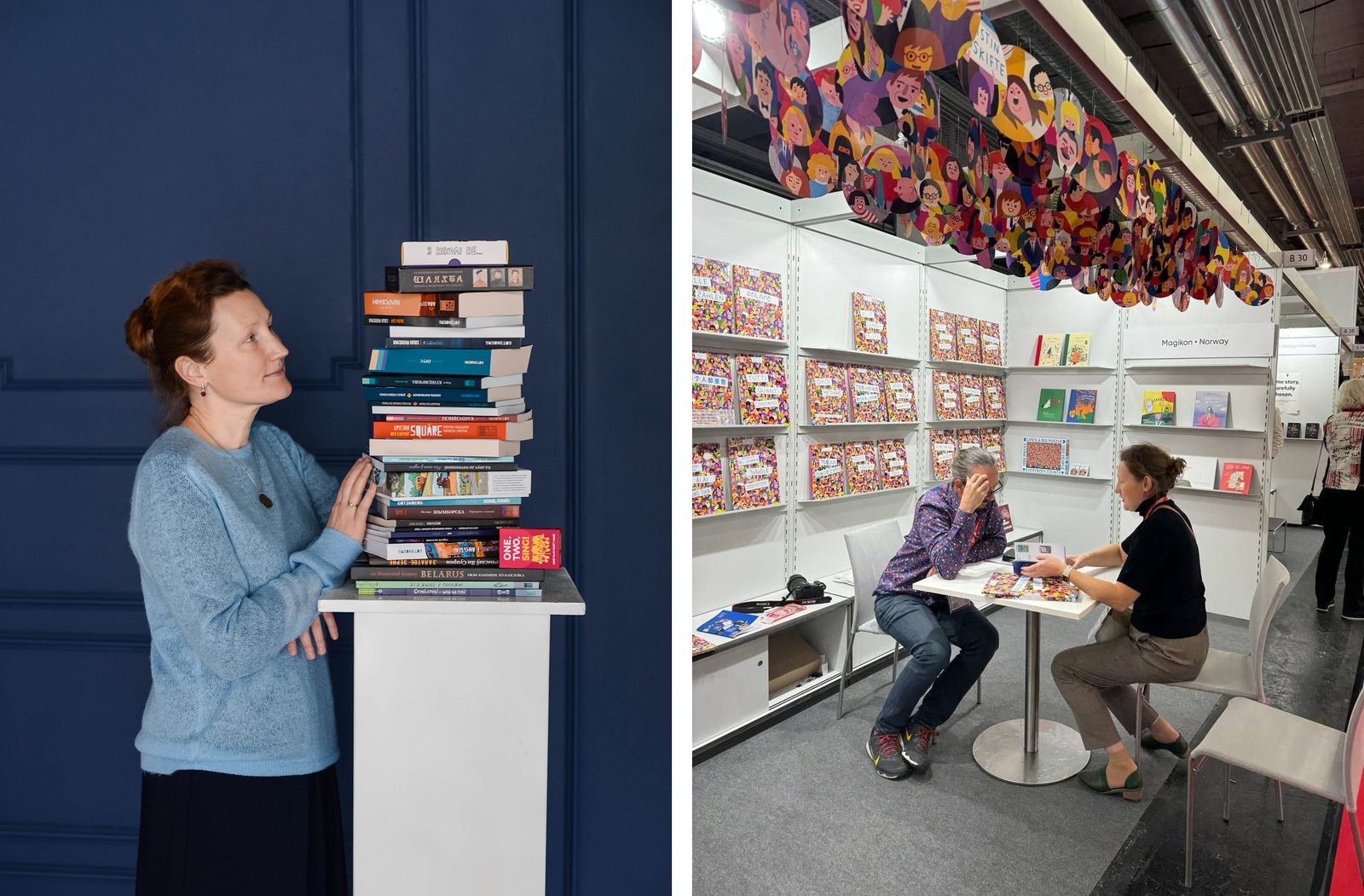
When readers hold a newly published book in their hands, they rarely think about everything that happens behind the scenes. Editing, design, typesetting and printing are only part of the process. There is also fundraising, planning, division of responsibilities, partnerships, communication and countless day-to-day organisational decisions without which no book would ever come into being.
It was precisely this often invisible work that became the focus of Gutenberg Publisher’s project implemented under Track 1: Organisational Development of the ArtPower Belarus programme.
We spoke with Valiantsina Barbara Andreyeva, Editor-in-Chief of Gutenberg Publisher, about how a small publishing initiative evolved into an organisation with a long-term development strategy.
From a Publishing Initiative to an Organisation
Over the past few years, Gutenberg Publisher has become one of the best-known independent Belarusian publishing projects. Today, it is much more than a publishing house: it is a team working on educational and cultural initiatives, collaborating with authors and partner organisations, and developing its own long-term projects.
However, as Valiantsina Barbara Andreyeva admits, this growth happened gradually and was not always obvious even to the team itself.
“For a long time, we worked rather intuitively. When an opportunity arose to publish a book, we took it. When a new project appeared, we worked on that too. At some point we realised that we were no longer simply publishing individual books. We had become an organisation, yet we were still operating as a small initiative. That was when it became clear that we needed not only creative energy but also a system.”
Since its establishment in 2020, Gutenberg Publisher has published more than one hundred books. Yet, according to Valiantsina Barbara, the true measure of the organisation’s development is not the number of titles released.
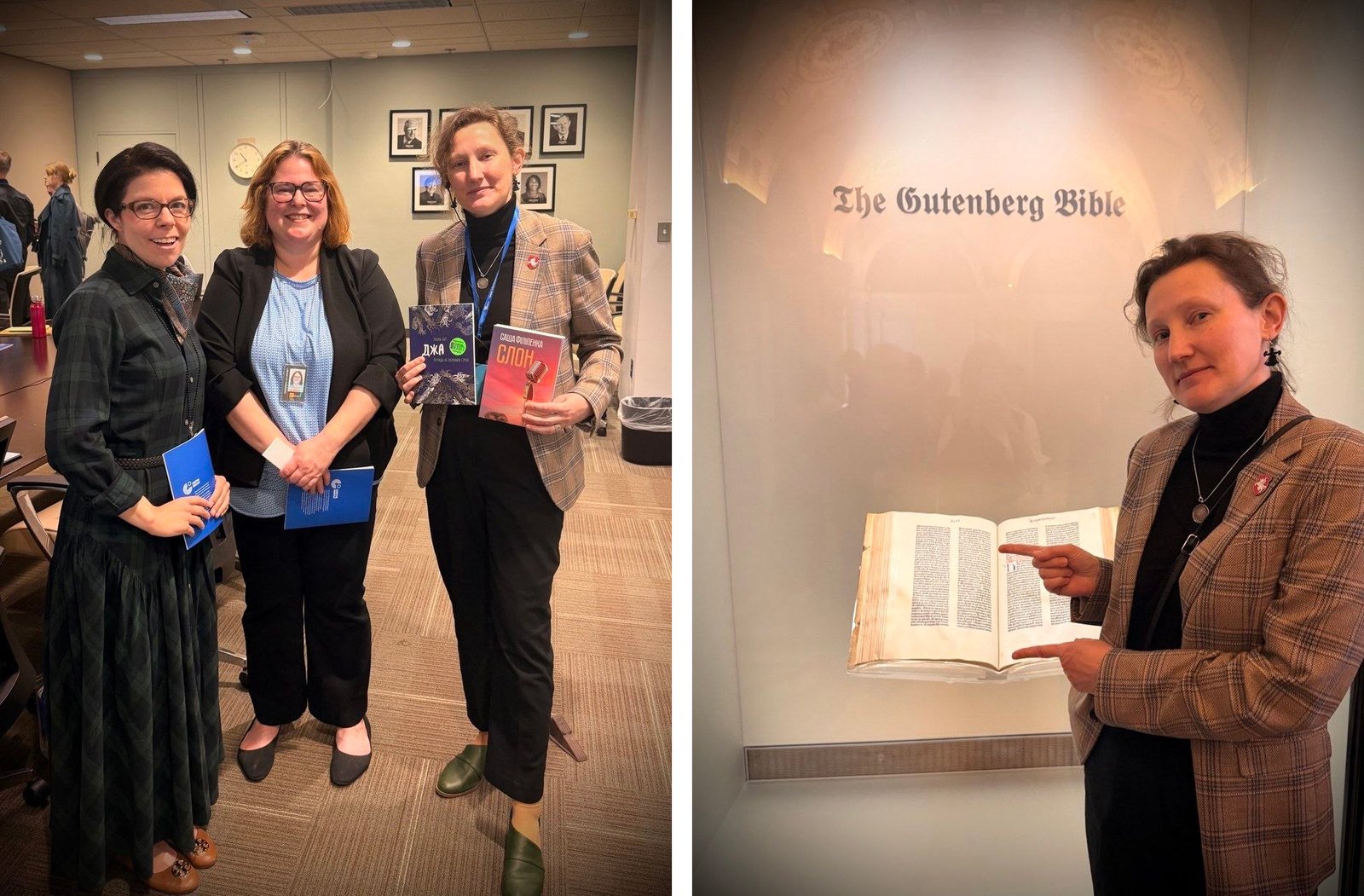
“We used to think that growth meant publishing more books. Now we understand that real growth means being able to make conscious choices without sacrificing quality for quantity.”
The invisible work that never seems urgent
Many cultural organisations know this situation well. Whenever funding becomes available, it is usually directed towards creating a new book, exhibition or festival. Far less often do organisations find the resources to rethink their internal structure, redistribute responsibilities or develop a long-term strategy.
That is why the support provided through Track 1 proved especially valuable for Gutenberg Publisher.
“Organisational development is always postponed until later because there always seems to be something more urgent: publishing a book, preparing a presentation or completing a report. But without this work, an organisation ends up living from project to project. We wanted to pause and look at ourselves from the outside: what works well, what needs to change, where we are losing resources and why.”
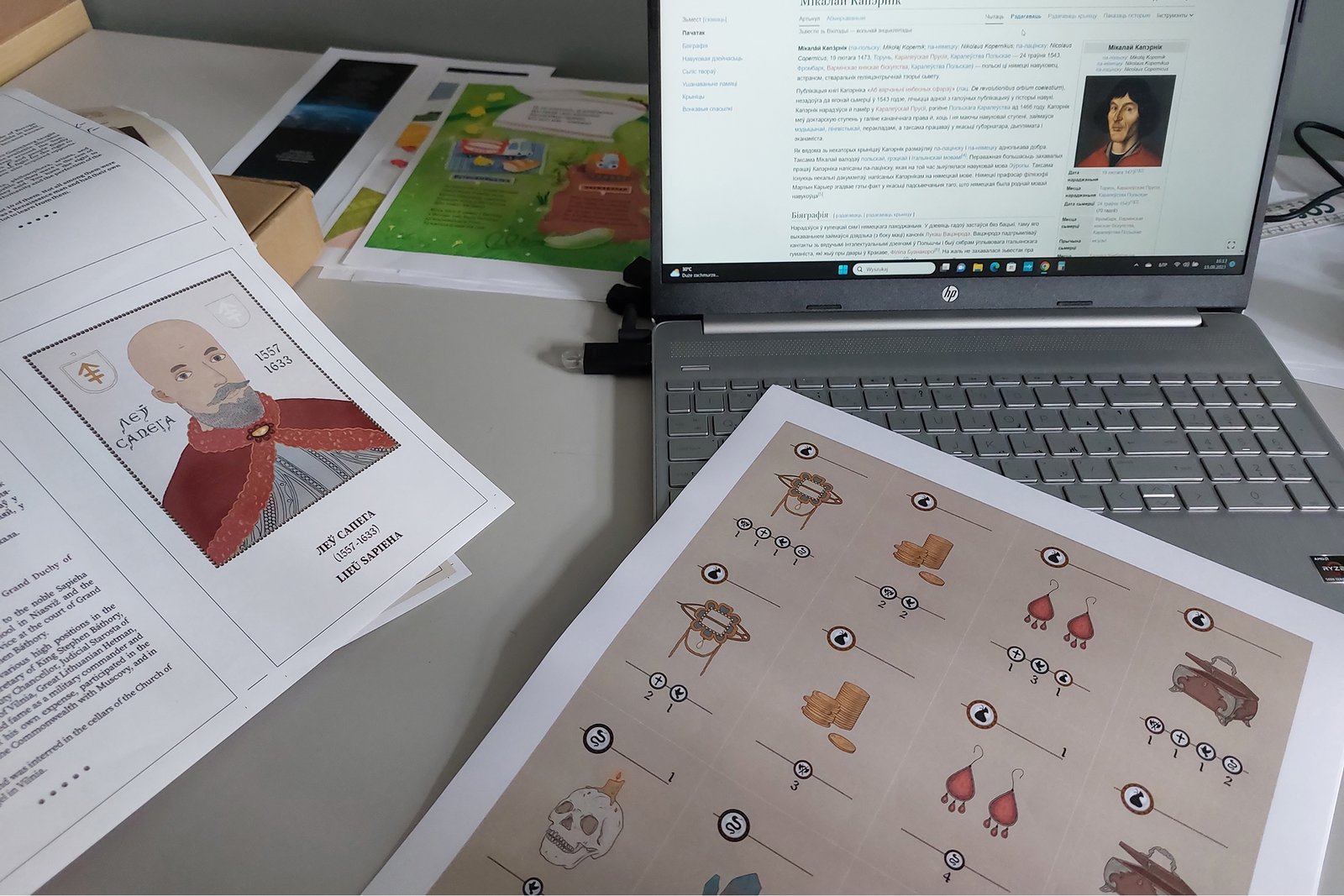
The project gave the team an opportunity to do what everyday work rarely allows: analyse internal processes, redistribute responsibilities, review financial approaches and discuss the publishing house’s long-term strategy.
Starting by listening
One important part of the project was a survey of authors, readers, partners and members of the Belarusian cultural community. A total of 564 people took part. For Gutenberg Publisher, the survey became not only a way to gather feedback but also an opportunity to better understand how the organisation is perceived by the people it works for.
The survey was anonymous, with responses collected in aggregate form and without personal data. Valiantsina Barbara notes that it was the team’s first experience of this kind. After analysing the results, they realised that such research should become a regular practice and be complemented by face-to-face meetings with readers and partners.
“This kind of survey should be repeated regularly over several years so that we can observe trends. Only then can we really talk about processes and whether the decisions we make actually correspond to people’s needs.”

The findings prompted the team to reassess several areas of its work. For example, it became clear that children’s publications, while extremely important for both the Belarusian community and the publishing house itself, require significant resources and currently do not generate sufficient financial returns. This does not mean abandoning such projects. Rather, it helps the team better understand their real costs, seek partnership models and plan future support more effectively.
When mission alone is not enough
One of the team’s key conclusions was that even the strongest cultural mission cannot rely solely on enthusiasm. In the cultural sector, there is often a desire to say “yes” to every worthwhile idea. But if an organisation does not understand its limits, resources and the true cost of its work, burnout becomes inevitable.
“When you work in a cultural project, it is very difficult to define how much you actually work. There is always more you could do, always a way to do it better. But your responsibility has to end somewhere; otherwise, you simply burn out. This is one of the biggest problems in the cultural sector.”
As part of the project, the team began paying much closer attention to budgets, workloads and the real costs of every publication. This affected not only financial planning but also the way decisions are made.
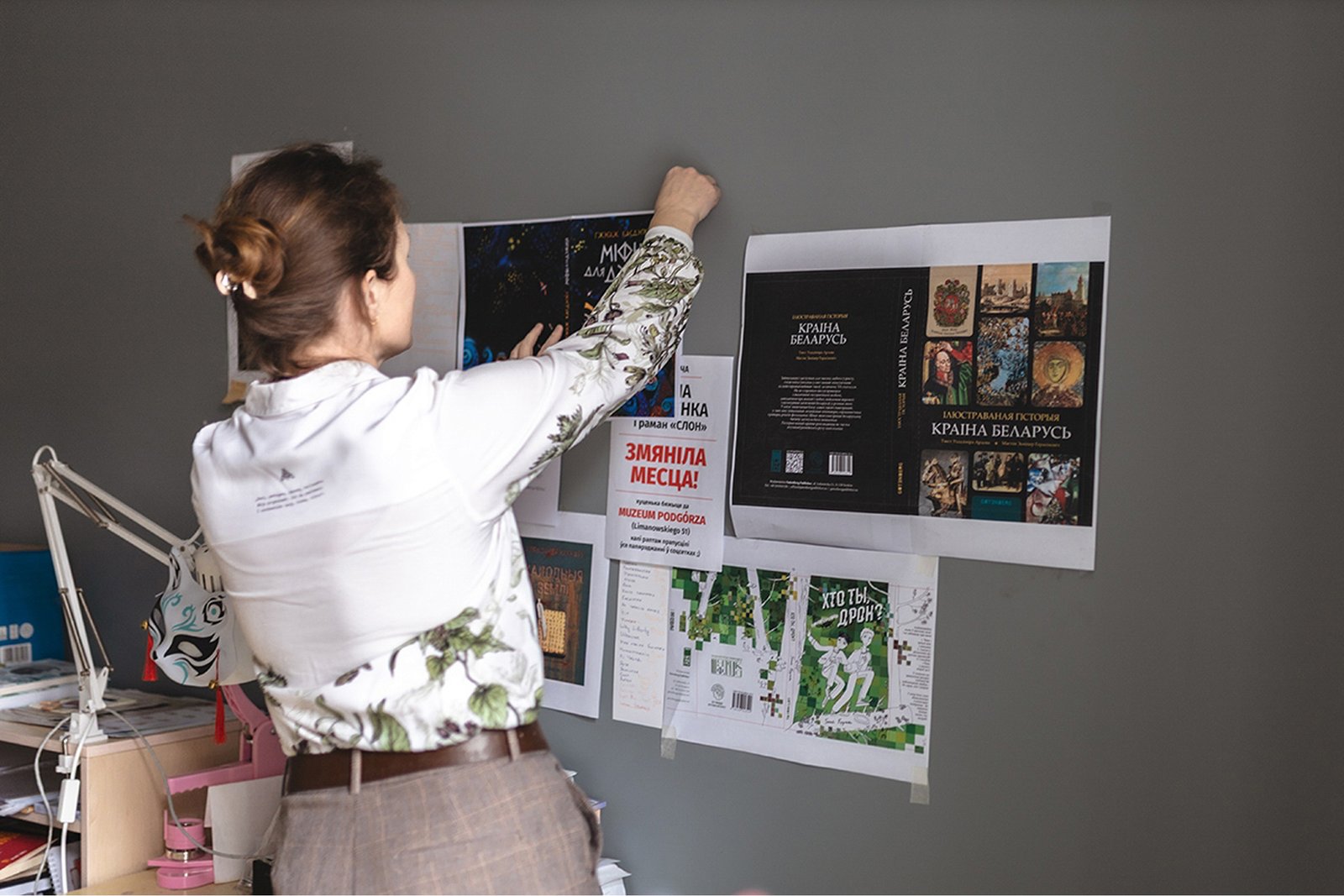
“We took a very honest look at our accounting, our budget, what we could finance ourselves and what we were actually paying for out of our own pockets. When you have to write ‘publisher’s own funds’ in an Excel budget, you immediately ask yourself: where is that money supposed to come from? Where is the factory paying dividends?”
This approach enabled the team to make more informed decisions about which projects to pursue and which required separate funding or partnerships.
Growth does not always mean doing more
Working on internal processes led Gutenberg Publisher to another important conclusion: sustainable development sometimes means doing less, but doing it better.
During the project, the team calculated how many cultural initiatives they had actually undertaken. Over just seven months, the organisation had been involved in 43 different projects, including books, presentations, public events, partnerships and other activities. All of this was carried out by a team of only five people.
“We realised that, under our current circumstances, producing more than 24 projects per year is simply impossible. And that is despite the fact that much of our work is still essentially voluntary. So this number has to decrease.”
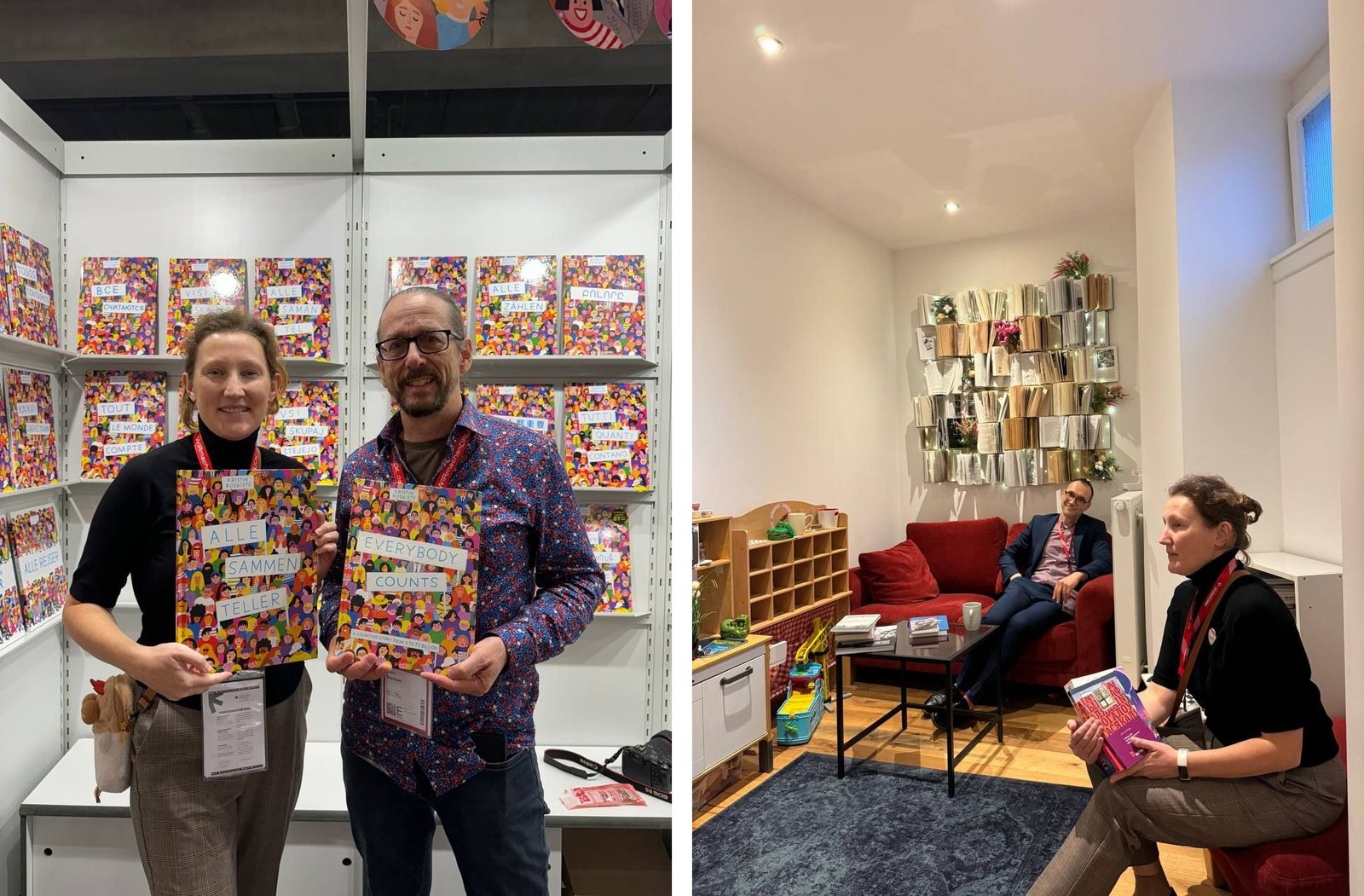
Rather than reducing its ambitions, Gutenberg Publisher is looking for more sustainable ways of working through partnerships, consulting, shared funding models and more realistic planning.
More than publishing books
Another important outcome of the project was rethinking Gutenberg’s role within the Belarusian cultural ecosystem. Today, the organisation sees itself not only as a publisher of its own books but also as a partner capable of supporting other initiatives.
Gutenberg now offers consulting, project management, legal, accounting and publishing support. For the team, learning to value their own expertise and clearly communicate its worth became another sign of organisational maturity.
“We finally started valuing our own time and putting a price on consultations and project management support. It turned out to be beneficial for everyone.”
One example is the educational workbook Belarusian Workbook (“Sshytak pa-belarusku”), created for Belarusian children living abroad.
The project received an ArtPower Belarus MINI grant, while Gutenberg Publisher acted as the publishing partner, helping transform the idea into a finished publication.
According to Valiantsina Barbara, the grant made it possible to prepare the content, illustrations and first print run. The workbook was warmly welcomed by Belarusian schools and educational initiatives abroad.
Its author and teacher Hanna Plashchynskaya says:
“I am deeply grateful to Gutenberg Publisher and ArtPower because without their support this idea would probably have remained just an idea for much longer. It is wonderful that there are people and initiatives that not only believe in projects like this but also help make them happen.”
Support that invests in the future
Before participating in the programme, Gutenberg Publisher often viewed grants primarily as a way to finance individual projects. Track 1 changed that perspective.
For Valiantsina Barbara, what mattered most was that the grant supported the organisation itself rather than another book.
“For me, it was incredibly important that the grant supported organisational sustainability rather than the creation of another product. It made visible the management work without which no book could ever exist. It is difficult to measure this work in illustrations, pages or printed copies, yet without it nothing reaches the reader.”
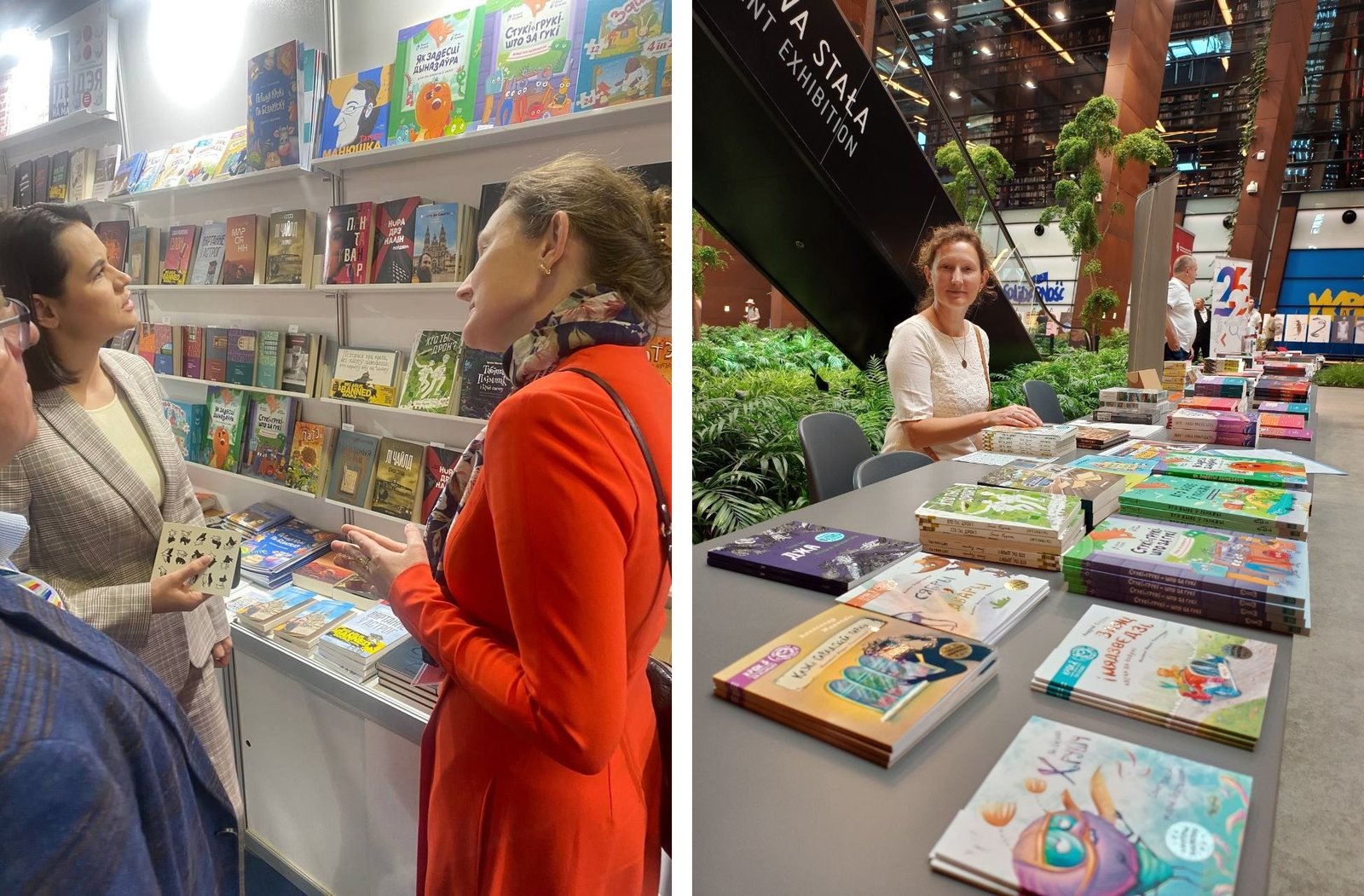
She believes that programmes like ArtPower Belarus help independent cultural organisations build lasting foundations instead of merely addressing immediate needs.
“In many ways, ArtPower Belarus performed the role that, under normal circumstances, should belong to the state: helping cultural institutions develop. This is not simply funding individual ideas. It is an investment in ensuring that organisations can continue working, support authors and create new projects.”
Looking ahead
Today, Gutenberg Publisher continues publishing Belarusian books, working with authors and developing educational initiatives. Yet the most important result of its organisational development cannot be measured by the number of books published.
It lies in the organisation’s ability to plan for the future, avoid constant burnout and remain a reliable partner for other cultural initiatives.
“Grants are not simply about someone giving you money. They are a normal instrument for developing civil society. When there are people willing to support Belarusian culture and organisations capable of turning those ideas into reality, they should meet. That is how cultural infrastructure is built.”
Books truly begin long before they reach the printing press. They begin with people learning to work together, make difficult decisions and build organisations capable of sustaining Belarusian culture today and for many years to come.