We continue our series of stories about projects supported by ArtPower Belarus, funded by the European Union.
In 2024, Volnyja Kupalaucy premiered Zekameron in Warsaw, a theatre production based on the book of the same name by Maksim Znak. With support from ArtPower Belarus, one hundred short stories written in prison were transformed into a stage production combining theatre, live music and poetry by Belarusian political prisoners. Over the following two years, the company performed the production more than twenty times, taking it to different cities and countries. Meanwhile, the songs written specifically for the performance gradually developed a life of their own.
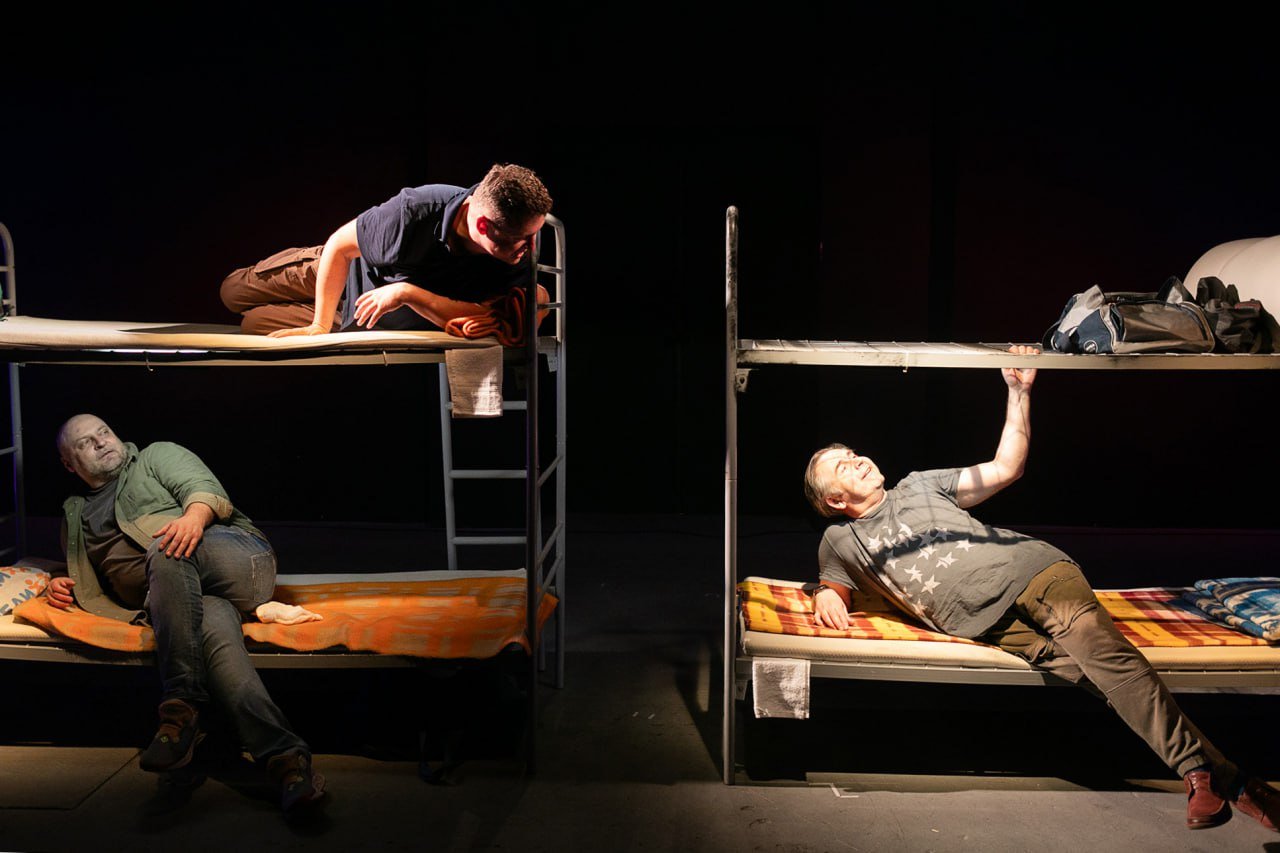
Two years later, the story gained a new chapter. On 21 May 2026, the Day of Solidarity with Belarusian Political Prisoners, J:MORS and Volnyja Kupalaucy released Zekameron: Songs from the Performance — an album featuring eight songs and one interlude. The music had grown out of the theatre production but could now exist independently of it. This second project received support through the continuation of the ArtPower Belarus programme.
Today, we have an opportunity to look not only at the outcome of a supported project, but also at what happens to it several years later: how initial funding sets a creative process in motion, gives rise to collaboration in new forms and eventually leads to another independent project.
We spoke about this journey with two of its participants: Aleh Harbuz (A.H.), an actor and project manager with Volnyja Kupalaucy, and Uladzimir Puhach (U.P.), a musician and frontman of J:MORS.
One hundred stories to weave into one, and music created alongside the performance
Aleh Harbuz had been familiar with Maksim Znak’s writing since 2020. When Zekameron appeared, Harbuz and Siarhei Chub began performing individual stories from the collection as staged readings. Even then, Harbuz saw the book as material for a larger theatrical project.
Support from ArtPower Belarus made it possible to move from individual readings to developing a full-scale production. The entire process, from working with the source material to completing the performance, took around three months. The first major challenge was dramaturgy: one hundred self-contained stories had to be transformed into a single theatrical narrative.
A.H.: “First, we crossed out what didn’t fit, then selected the best of what remained. After that, we organised the material into blocks — about seven or eight thematic sections that flowed into one another. We combined the stories, turning them into scenes and monologues. During rehearsals, we continued making changes: adding things, removing others or rearranging them.”
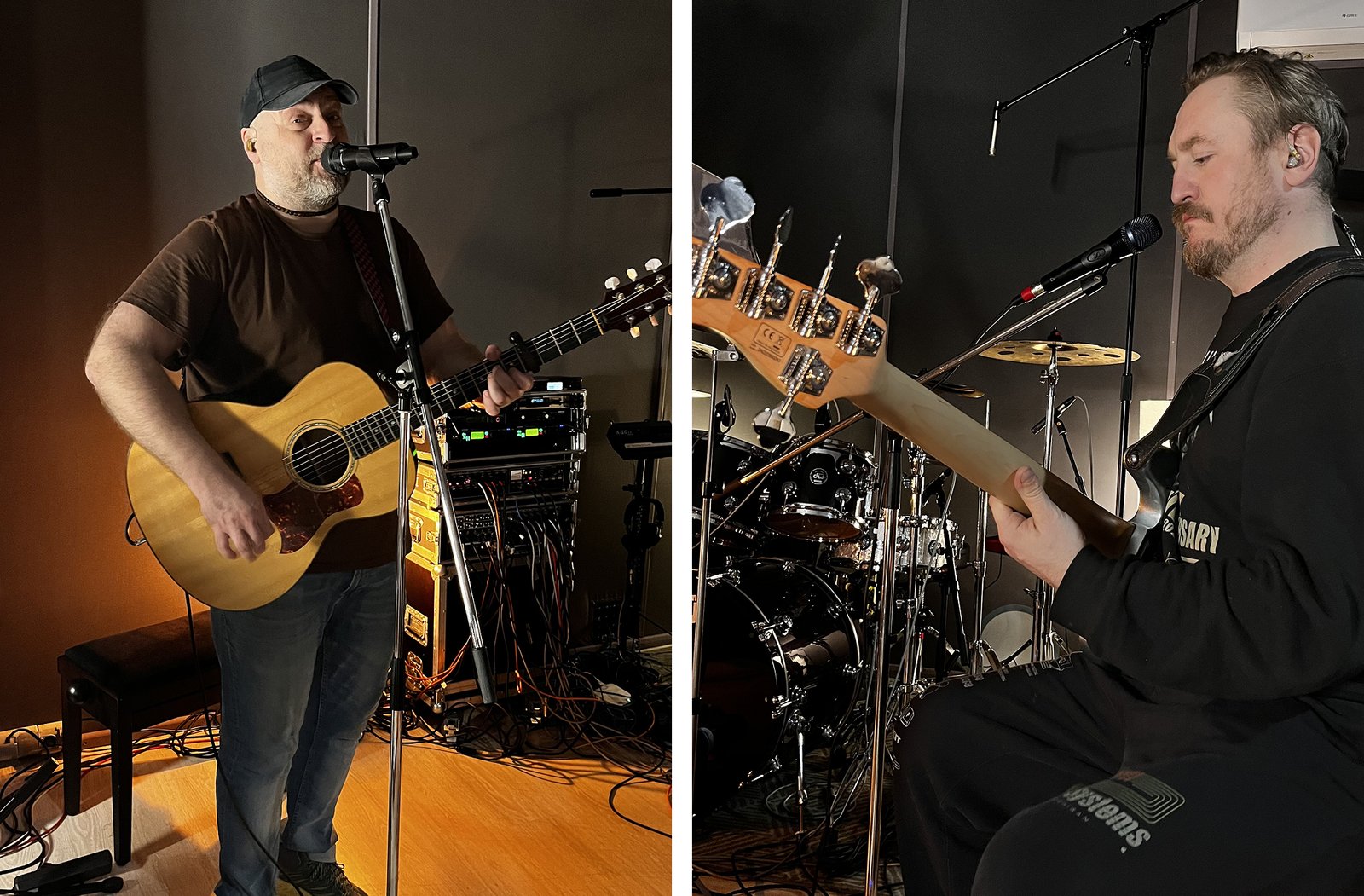
Developing the dramaturgy took more than a month. At the same time, the team was shaping the production itself. Zekameron was conceived as an intimate performance, with a minimal cast and live music. They needed not simply an actor, but a musician who could become an organic part of the production.
A.H.: “I considered different people. It was important to me that what a person did musically matched my own sense of what we wanted to create. With Uladzimir Puhach, both his musical work and his personal qualities were exactly what I was looking for. To me, he was an almost ideal candidate.”
That was how Uladzimir Puhach joined the project. He and Aleh Harbuz had known each other for more than ten years and had continued crossing paths within the Belarusian cultural community after being forced to relocate.
Initially, Puhach’s role was entirely familiar to him: writing songs for the performance. But the next proposal came as a surprise. Volnyja Kupalaucy invited him to appear on stage as one of the performers.
U.P.: “I was very surprised by the offer because I had absolutely no experience in that field. But two months of preparation under the guidance of professionals did the trick.”
Meanwhile, the music was being created alongside the performance. Puhach attended script readings, listened to the material, watched the production evolve and searched for a musical language of its own.
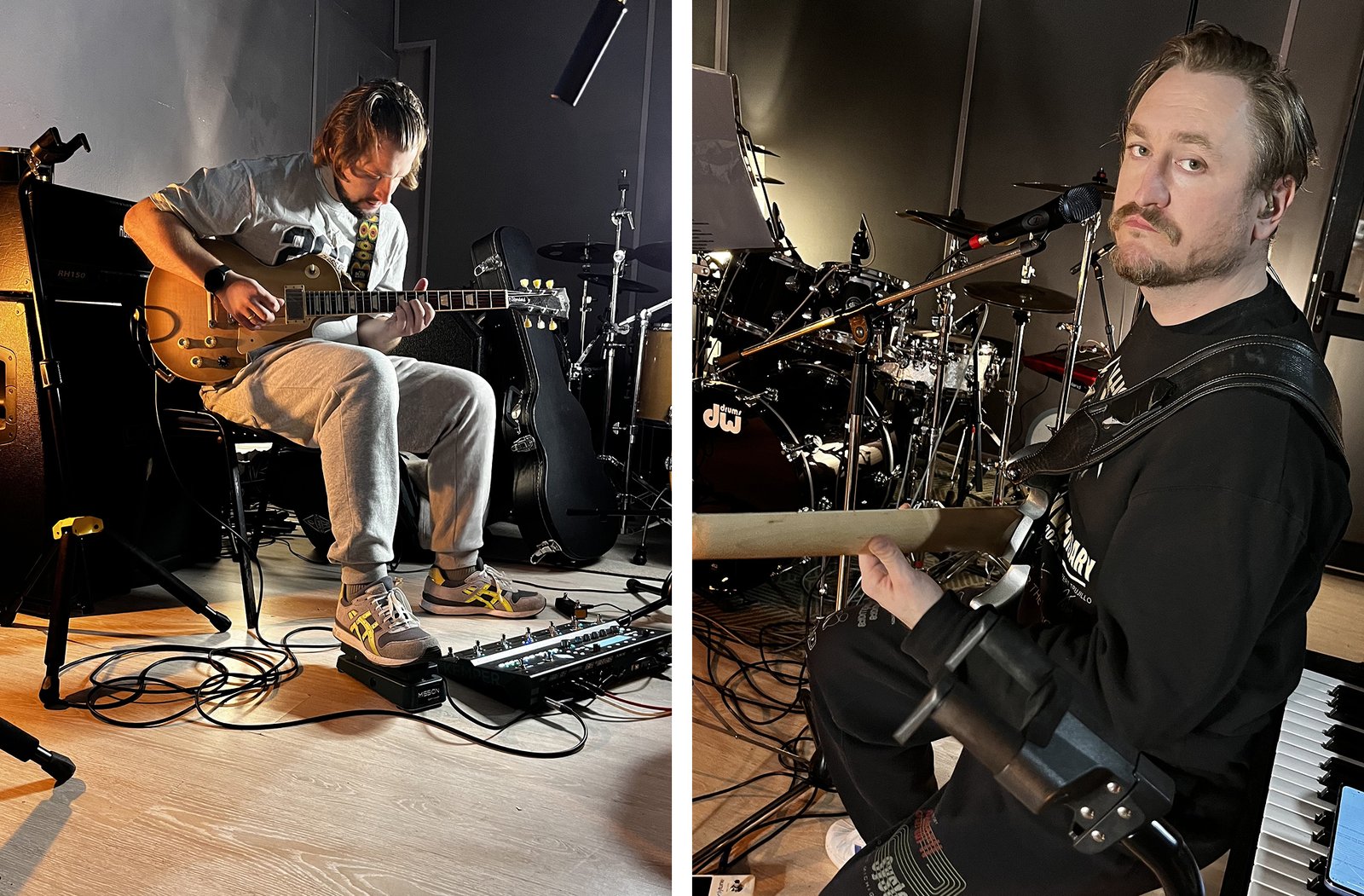
The team eventually decided to incorporate poetry alongside Maksim Znak’s prose. Puhach looked for poems that resonated with particular thematic sections of the performance and could serve as their musical extension. This resulted in two songs based on poems by Maksim Znak and two on poems by journalist Andrei Kuznechyk. Puhach wrote the remaining songs himself.
U.P.: “It was very important for us to understand what the author felt and how he saw the things he was writing about. My task was to find poems that matched the meaning of the performance as closely as possible and set them to music. What I particularly like about Maksim Znak’s work, and about our performance, is that all this suffering is portrayed through a smile. That combination of suffering and a smile reveals the inner emotions of the person who wrote it. We understood this from the very beginning and really wanted to convey it.”
More than twenty performances
Zekameron premiered in Warsaw on 7 May 2024, but that was only the beginning of the project’s life. Over the next two years, Volnyja Kupalaucy continued performing the production and taking it to other cities and countries, including Vilnius, Daugavpils, Prague, Berlin and Zurich. The company also participated in festival programmes. Polish, English and Czech subtitles were used for international audiences.
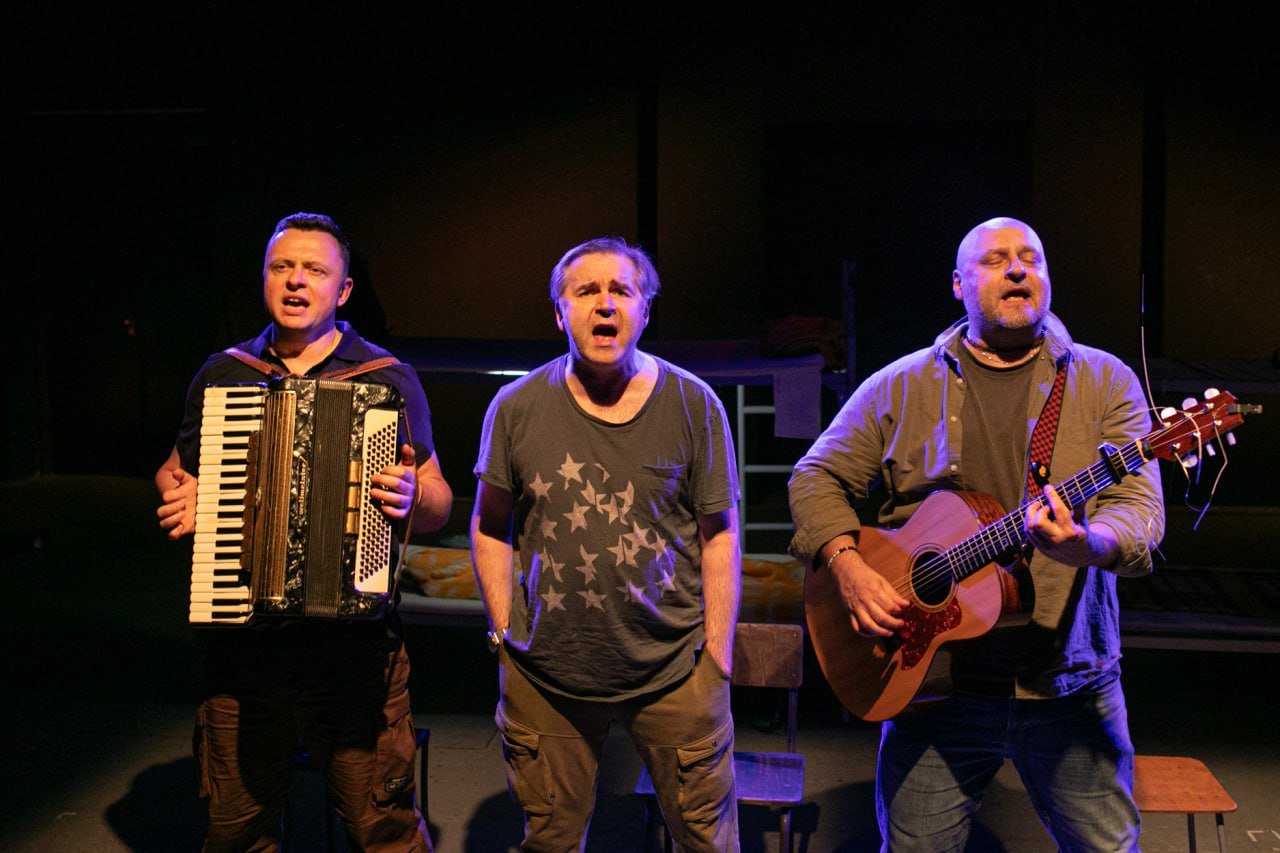
This experience demonstrated that Zekameron could resonate beyond Belarusian audiences. For Belarusian viewers, the context in which Maksim Znak’s stories were written was already largely familiar. For international audiences, however, the performance sometimes became an opportunity to take a closer look at Belarus and its recent history for the first time.
A.H.: “For people abroad, Belarus may be somewhere on the periphery of their attention. But suddenly, it comes into focus. And while it is in focus, they have to look at it more closely: people begin asking specific questions and trying to understand our situation. In that sense, Zekameron gives us an opportunity to talk about things that are well known to us Belarusians but may be entirely new to international audiences.”
At the same time, Uladzimir Puhach does not see art as a tool that should provide audiences with ready-made answers or teach them how to interpret events in Belarus. For him, what matters more is that artistic expression remains sincere and finds its own resonance.
U.P.: “An artist shouldn’t set themselves messianic goals. An artist should create art. We simply live in a time when many things inevitably find their way into it. If that resonates with people and has an impact on them, it means we’ve done something right. But we never set ourselves the task of teaching people how to live their lives.”
Another important development took place during those two years. When the performance was being created, Maksim Znak was still imprisoned and could not see his writing brought to life on stage. After his release, he was finally able to attend Zekameron.
For the team, that meeting became a special moment in the production’s history.
A.H.: “At that moment, we truly felt that everything we had done was right. And it was very important that he knew people remembered him, that he had not been forgotten.”
Songs worth preserving
Performing the production so many times also changed Uladzimir Puhach’s relationship with the music he had originally written for the stage. The songs were performed again and again, accompanied the team on their travels and gradually became associated not only with the production itself, but also with several years of the musician’s own life.
That was where the idea for the second project — recording an album — came from.
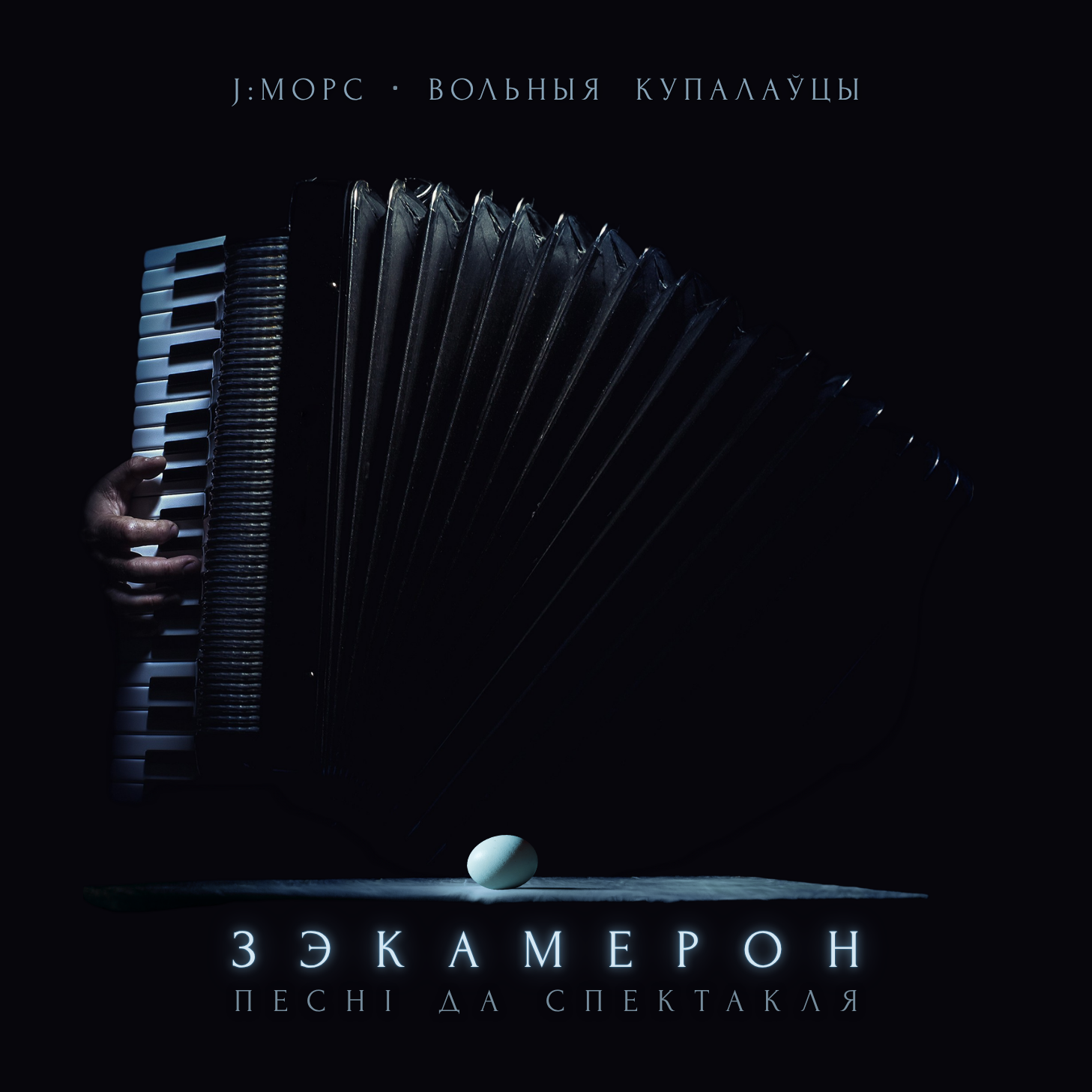
U.P.: “Working on Zekameron means a great deal to me, and it was important to preserve the memory of that experience. Like a family photo album. Except I wanted to capture it in the way I know best — as a music album.”
There was another reason, too. By its very nature, a theatre production exists only as long as it continues to be performed. Puhach wanted the music of Zekameron to survive even if the production eventually left the stage.
U.P.: “I wanted these songs to live independently of how much longer we would continue performing the play. That was the main idea. I had wanted to make the album for a long time. And I would have made it anyway. The only question was when.”
This time, the initiative came from Puhach himself. The project was carried out by the J:MORS team, while Volnyja Kupalaucy contributed organisational support and their experience of managing grant-funded projects. Puhach particularly acknowledges cultural manager Katsiaryna Chub, who accompanied the project from beginning to end and helped with documentation and reporting.
The opportunity to bring the idea to life came through an ArtPower Belarus Mini grant. The album Zekameron: Songs from the Performance was released on digital platforms.
A creative experiment
For J:MORS, the album was an unusual undertaking. It differs from the band’s regular releases both in sound and structure. Most importantly, Puhach did not want simply to gather nine tracks that had previously been performed on stage into a single collection.
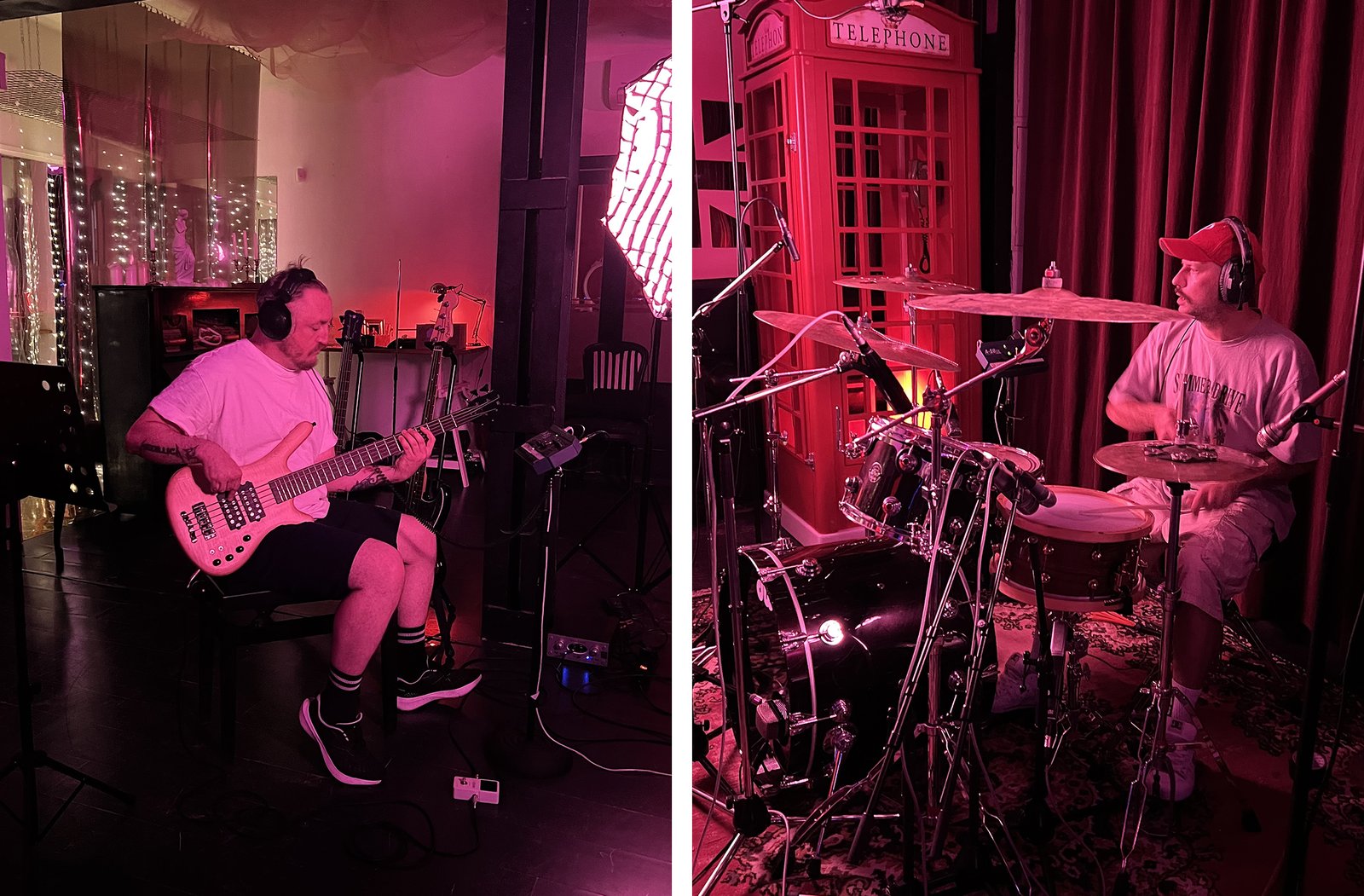
The songs appear on the album in the same order as in the theatre production. This allowed the theatrical narrative structure to be preserved in the recording, with the story now told primarily through music.
During production, the team even recorded short interludes with the actors — excerpts from the performance that could connect the songs and bring more of the theatrical experience into the audio recording. Ultimately, Puhach decided to include only one of these fragments on the album.
But the real test came after the release: would someone who had never seen Zekameron on stage be able to connect with the story?
This was particularly important to Puhach because, according to him, most of J:MORS’s audience still lives in Belarus and had not had the opportunity to attend the performance.
U.P.: “I was very happy to hear that our audience had also felt that vibe, that emotion.”
In fact, there had been demand for a separate release even before work on the album began. After performances, audience members would approach the musicians and ask whether the songs could be heard anywhere. At the time, Puhach could only say that the team hoped to record them someday.
An outcome that cannot be measured in the first few weeks
Uladzimir is in no hurry to judge the album’s success by its first few months after release. Over more than 25 years in music, he has repeatedly seen how songs continue finding listeners years after they first come out.
U.P.: “High-quality music projects are created with a long-term impact in mind. This isn’t a marketing campaign where you launch a product and assess the results within the first three weeks. So perhaps it will only be in five years that I’ll be able to understand whether recording this album was worthwhile.”
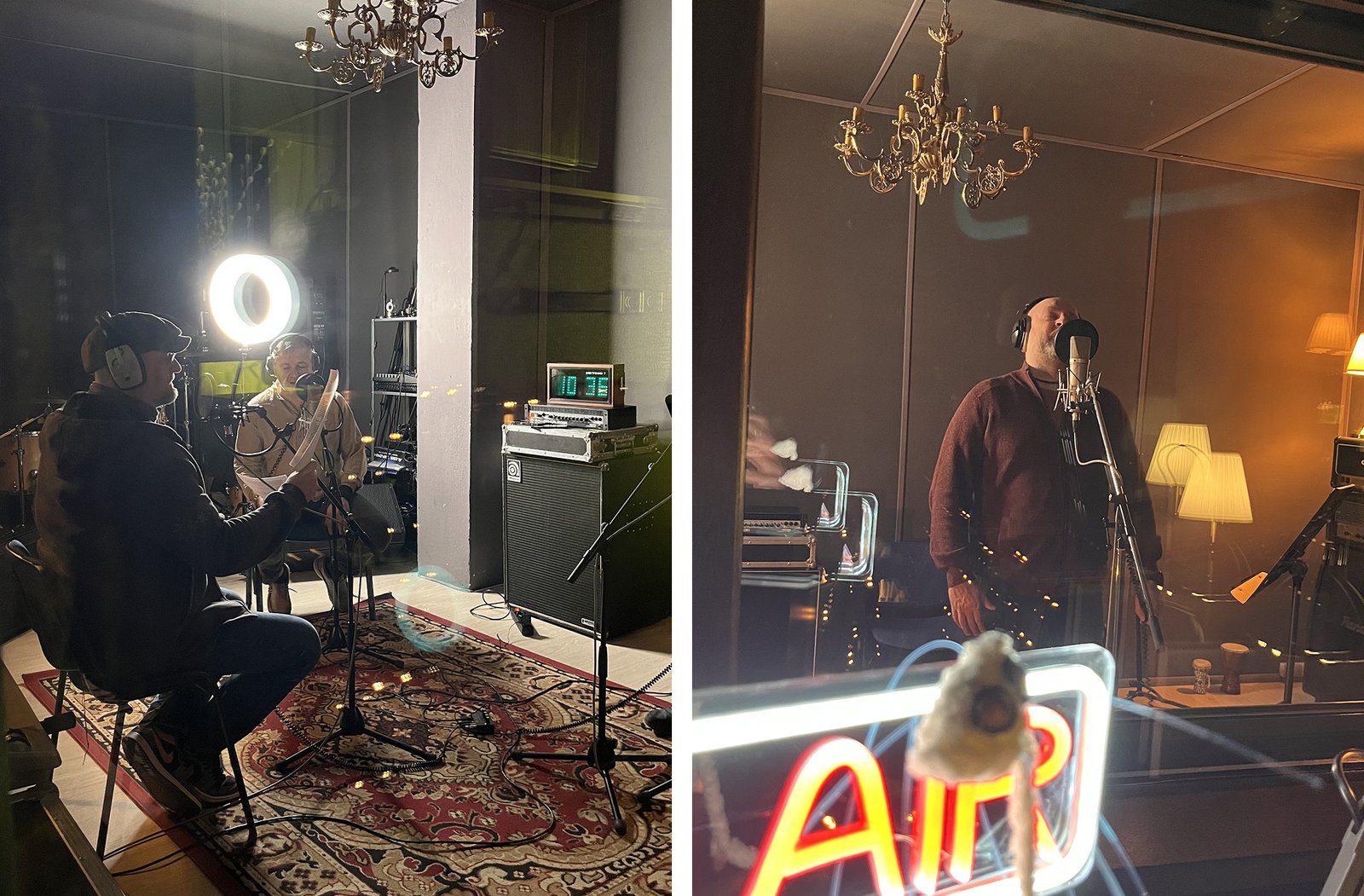
But one result is already clear: the music of Zekameron no longer depends on how long the theatre production continues to run.
When one project becomes the beginning of another
For Uladzimir Puhach, the album also marked the first time he had sought grant support for his own musical project. Previously, J:MORS had operated according to a different model: the band generated its own income, and independence from external funding was a matter of principle for the musician.
His attitude changed after he was forced to relocate.
U.P.: “I used to think: I’m a successful musician, we earn our own money, so why would I ask anyone else for it? We had never taken money to create music, and it was important to me that we were independent and self-sufficient. But when I found myself here, I realised that we were in a situation where Belarusians needed to work together to rebuild what was being destroyed in Belarus at that very moment — Belarusian culture. And when I saw that I needed support, I applied for it. I’m very grateful that I was helped to make this album a reality.”
At the same time, working on the album revealed the practical side of such projects: a creative idea alone is not enough without people who can take responsibility for the administrative work.
U.P.: “If you’re a creative person and want to preserve your profession and way of life while living in exile, it’s worth looking for funding. That’s perfectly normal. But my experience shows that even if you apply for a grant as an individual, it’s better to build a team beforehand. It’s difficult for a creative person to handle all the paperwork. So it helps to have people from the very beginning who are specifically responsible for working with the grant provider.”
Aleh Harbuz, who already had experience implementing a theatre project supported by ArtPower Belarus, puts his advice even more simply:
A.H.: “There’s no need to be afraid — just apply. It’s normal practice. Yes, writing a grant application and then preparing the reports is hard work; it’s not creative work. But ArtPower is a perfectly manageable grant: you can apply for it and successfully implement the project with your own team.”
“My little acting career continues”
But perhaps the most unexpected continuation of Zekameron is not the album.
When Puhach first agreed to appear on stage with Volnyja Kupalaucy, he saw it as a one-off experiment. Over time, however, he began to feel differently: one day, the performance would come to an end, and with it, his own experience in theatre.
That has not happened. Puhach is now working with Volnyja Kupalaucy on their next production, once again writing music and planning to perform on stage.
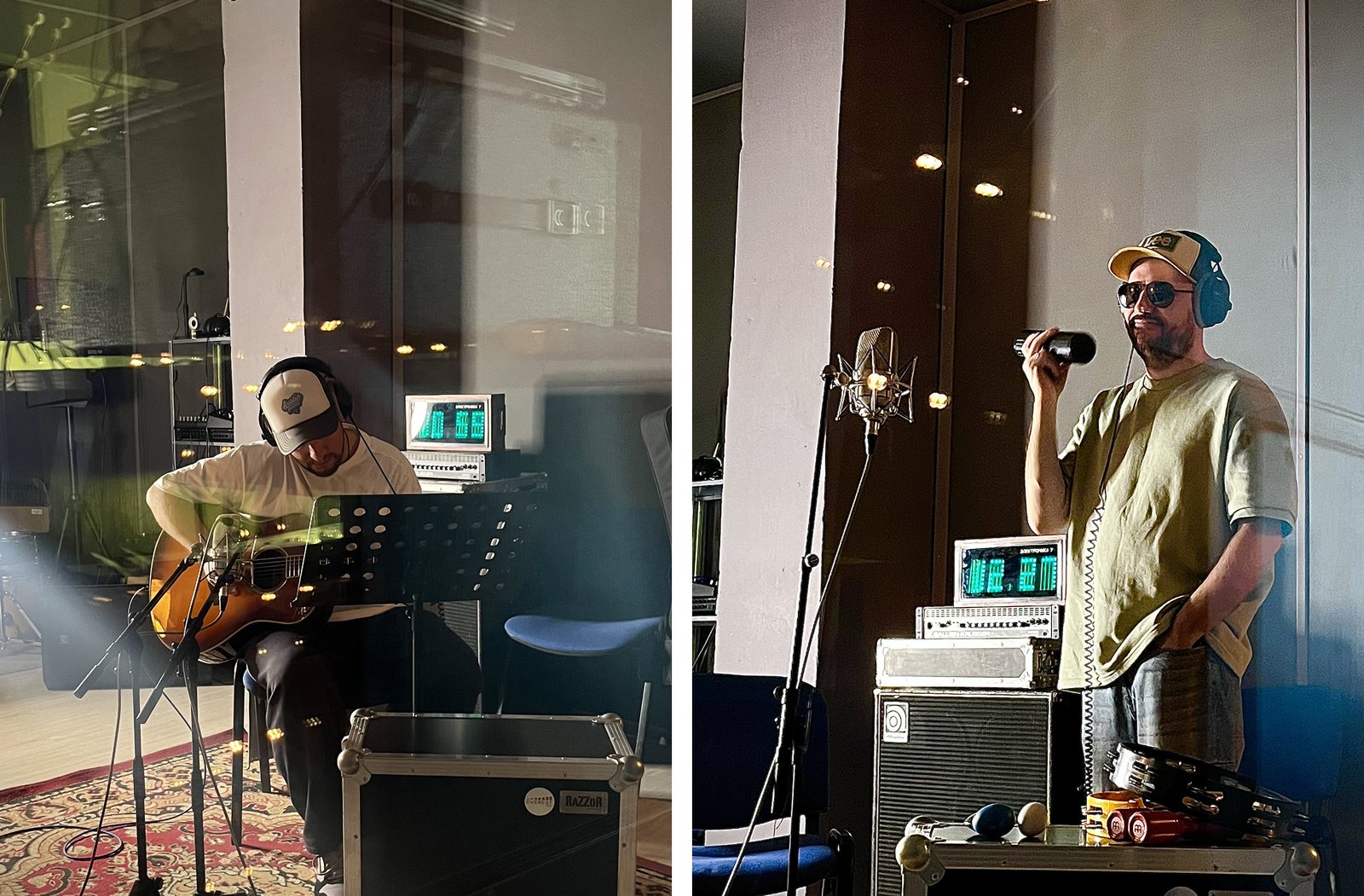
U.P.: “There was a moment when I felt sad thinking that it would all end someday. A theatre production is part of a repertoire: it lives on for a while, and then something new replaces it. I thought: we’ll finish performing Zekameron, and that will be it. I’m not an actor, so I won’t be working with them anymore. But I find it all so fascinating. That’s why I’m really happy that we’re already in the process of creating a new performance. My little acting career continues.”
And so, one story has continued in several directions at once. The short stories became a theatre production. The music written for that production became an album in its own right. And a collaboration that began with a single performance has already led to another joint project.